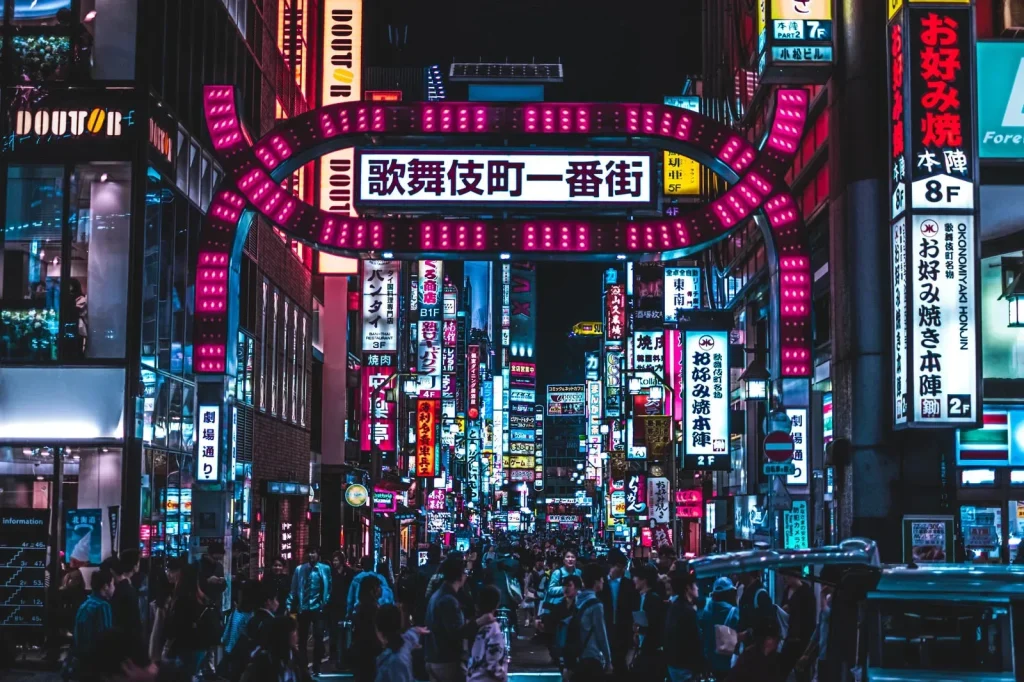
Kabukicho: Tokyo’s Neon Heart of Vice and Vibrancy
Kabukicho: Tokyo’s Neon Heart of Vice and Vibrancy
In the electric sprawl of Tokyo, where tradition and modernity collide in a kaleidoscope of light and sound, Kabukicho stands as a pulsing epicenter of hedonism, culture, and contradiction. Tucked into the Shinjuku ward, this district—often dubbed the “Sleepless Town”—is Japan’s most infamous entertainment hub, a labyrinth of neon signs, hostess bars, love hotels, and hidden gems that defy easy categorization. To wander Kabukicho is to step into a world where the lines between indulgence and art, danger and allure, blur into a singular, unforgettable experience. This 3,000-word exploration delves into the history, culture, and modern-day pulse of Kabukicho, stripping away the digital veneer to reveal the raw, human essence of this iconic neighborhood.
The Origins of Kabukicho: From Ashes to Neon
Kabukicho wasn’t always a glittering playground of vice. Its story begins in the aftermath of World War II, when Shinjuku, like much of Tokyo, lay in ruins. The area that would become Kabukicho was originally swampland, sparsely populated and overlooked. In the late 1940s, as Japan rebuilt, urban planners envisioned a cultural hub here, inspired by the traditional kabuki theater. The name “Kabukicho” itself reflects this ambition, derived from plans for a grand kabuki theater that never materialized. Instead, the district evolved into something far less refined but no less theatrical—a stage for human desires.
By the 1950s, Kabukicho had begun to take shape as an entertainment district. Cinemas, jazz bars, and restaurants sprouted amid the post-war optimism, drawing crowds eager for escapism. But as Japan’s economy boomed, so did the district’s darker undercurrents. The yakuza, Japan’s organized crime syndicates, saw opportunity in Kabukicho’s growing popularity. They moved in, establishing control over bars, gambling dens, and prostitution rings. By the 1970s, Kabukicho had earned its reputation as a place where anything could be bought—for a price.
Yet, even as it embraced its seedy side, Kabukicho retained an eclectic charm. The district became a magnet for artists, writers, and bohemians, drawn to its raw energy and unpolished authenticity. It was a place where societal norms loosened, where salarymen could shed their suits and inhibitions, and where subcultures flourished in the shadows of neon-lit alleys.
The Geography of Desire: Kabukicho’s Layout
Kabukicho today spans roughly a square kilometer, a dense grid of streets radiating from the central Shinjuku Station, one of the world’s busiest transportation hubs. The district is bordered by Yasukuni Street to the south and Okubo Street to the north, with its heart beating loudest in the warren of narrow lanes known as “Golden Gai” and the broader, brasher avenues lined with hostess clubs and pachinko parlors.
At its core, Kabukicho is a sensory overload. Towering billboards flash advertisements for host clubs, where charming young men entertain female clients with conversation and overpriced drinks. Love hotels, with names like “Hotel Casablanca” or “Pasha,” offer short-term stays for couples seeking privacy, their facades adorned with gaudy themes ranging from tropical jungles to medieval castles. Karaoke bars blare J-pop into the night, while ramen shops and izakayas (Japanese pubs) serve steaming bowls of noodles and sake to revelers stumbling out of clubs at dawn.
Golden Gai, a cluster of six narrow alleys, is Kabukicho’s soulful counterpoint to the district’s commercial glitz. Home to over 200 tiny bars, each seating no more than a dozen patrons, Golden Gai feels like a time capsule. These ramshackle establishments, many dating back to the post-war era, are run by eccentric owners who curate their clientele as carefully as their playlists. Some bars cater to regulars only, while others welcome curious tourists, offering a glimpse into a Japan that resists globalization’s homogenizing touch.
Beyond Golden Gai, Kabukicho’s main arteries pulse with activity. Ichiban-gai, the central street, is a carnival of light and noise, where touts in sharp suits beckon passersby into hostess clubs or “kyabakura” (cabaret clubs). Here, the yakuza’s influence lingers, though less overtly than in decades past. Police crackdowns and changing social attitudes have pushed much of the organized crime underground, but the district’s reputation for danger persists, fueled by urban legends of scams and shady dealings.
The People of Kabukicho: Performers, Patrons, and Outcasts
Kabukicho is as much about its people as its places. The district thrives on a cast of characters who embody its contradictions: the polished hosts and hostesses who sell charm and fantasy, the street touts who navigate the line between persuasion and coercion, and the patrons who come seeking everything from fleeting romance to fleeting fights.
Host and hostess clubs are Kabukicho’s most iconic institutions. In these dimly lit venues, young men and women are paid to entertain clients with flirty conversation, drinks, and the illusion of intimacy. The host industry, in particular, is a cultural phenomenon, with top earners achieving celebrity status. Men like Ryoma, a legendary Kabukicho host, reportedly earned millions of yen a month by cultivating loyal clients who showered them with gifts and champagne towers. The work is grueling, requiring charisma, emotional intelligence, and a tolerance for late nights and heavy drinking. For many hosts, it’s a path to wealth; for others, a trap of debt and burnout.
Patrons of Kabukicho range from curious tourists to jaded locals. Salarymen, Japan’s white-collar workers, are a common sight, unwinding after long days with beer and karaoke. Young women, drawn by the allure of host clubs, often spend thousands of yen chasing the attention of their favorite hosts. Foreign visitors, meanwhile, come for the spectacle, snapping photos of neon signs or sipping sake in Golden Gai’s cramped bars. Yet, not all who come to Kabukicho are there for fun. The district has long been a haven for society’s outcasts—runaways, dreamers, and those fleeing pasts they’d rather forget.
The yakuza, though less visible today, remain a presence. Once, they openly patrolled Kabukicho’s streets, their tattoos and missing fingers a badge of their trade. Now, their influence is subtler, embedded in the ownership of bars and clubs. Police efforts, particularly in the 2000s, curbed their overt power, but Kabukicho’s underworld still hums beneath the surface, a reminder of the district’s dual nature as a place of both opportunity and exploitation.
The Culture of Kabukicho: Art, Vice, and Subcultures
Kabukicho is more than a den of iniquity; it’s a cultural crucible. The district has inspired countless works of art, from films to literature, each grappling with its mix of glamour and grit. Directors like Takeshi Kitano and Shinya Tsukamoto have set films here, capturing its noirish allure. Novels like Ryu Murakami’s Coin Locker Babies paint Kabukicho as a dystopian playground, while manga and anime often use it as a backdrop for tales of rebellion and redemption.
Music, too, thrives in Kabukicho. The district’s jazz bars, a holdover from its post-war roots, still host live performances, their smoky interiors a stark contrast to the pop-heavy karaoke joints nearby. Punk and alternative scenes have also found a home here, with venues like Shinjuku Loft showcasing underground bands. Kabukicho’s subcultures—goths, cosplayers, and visual kei fans—add to its eclectic tapestry, their flamboyant outfits blending seamlessly into the district’s chaotic aesthetic.
Food is another pillar of Kabukicho’s culture. Beyond the tourist-friendly ramen shops, the district offers culinary surprises: yakitori stalls grilling skewers over open flames, hidden sushi counters serving pristine cuts of fish, and late-night curry houses catering to the post-party crowd. For those with a taste for the unusual, Kabukicho’s themed cafes—maid cafes, vampire cafes, even robot cafes—deliver experiences as bizarre as they are quintessentially Japanese.
The Dark Side: Crime, Scams, and Social Stigma
Kabukicho’s allure is inseparable from its dangers. The district has long been associated with crime, from petty scams to serious violence. Touts, known as “catchers,” often target naive visitors, luring them into overpriced bars or clubs with hidden fees. Stories of spiked drinks and exorbitant bills are not uncommon, though increased police presence has reduced such incidents. Still, Kabukicho demands street smarts—wanderers are advised to stick to well-lit areas and avoid overly aggressive touts.
Prostitution, while illegal in Japan, persists in Kabukicho’s shadows. “Soaplands,” bathhouses offering sexual services under the guise of massages, operate in a legal gray area. The district’s love hotels, while often used by couples, also cater to the sex trade. Human trafficking and exploitation remain concerns, with advocacy groups highlighting the plight of vulnerable workers, many of whom are foreign women lured by promises of legitimate jobs.
Kabukicho’s reputation also carries a social stigma. For all its allure, it’s a place many Japanese avoid, associating it with debauchery and danger. Yet, this stigma fuels its mystique, drawing those who revel in its defiance of Japan’s buttoned-up norms.
Kabukicho in the Modern Era: Tourism and Transformation
In recent years, Kabukicho has undergone a transformation, driven by tourism and urban redevelopment. Shinjuku’s proximity to major attractions like the Tokyo Metropolitan Government Building and the Meiji Shrine has made Kabukicho a must-visit for travelers. The district’s Robot Restaurant, with its over-the-top performances, became a global sensation before closing during the pandemic, though its spirit lives on in Kabukicho’s penchant for spectacle.
Efforts to clean up Kabukicho have softened its edges. Increased police patrols, stricter regulations on hostess clubs, and crackdowns on illegal businesses have made the district safer, if less wild. The rise of family-friendly attractions, like the Godzilla head looming over the Toho Cinemas building, signals a shift toward mainstream appeal. Yet, Kabukicho resists full sanitization. Its grit is part of its charm, and locals and visitors alike cherish its unpolished authenticity.
The COVID-19 pandemic hit Kabukicho hard, shuttering bars and clubs as Japan’s nightlife ground to a halt. Many businesses never recovered, but the district’s resilience shone through. By 2023, Kabukicho was rebounding, its streets once again packed with revelers. The influx of foreign tourists, fueled by a weak yen, has brought new energy, though some worry it risks diluting the district’s character.
Kabukicho’s Future: Balancing Tradition and Change
As Tokyo prepares for future global events, like the 2030 World Expo, Kabukicho stands at a crossroads. Redevelopment projects threaten to erase its historic alleys, with Golden Gai particularly vulnerable to gentrification. Preservationists argue for protecting these spaces, which embody a vanishing Japan. Meanwhile, new skyscrapers and luxury hotels rise nearby, signaling Shinjuku’s growing status as a global hub.
Kabukicho’s future hinges on its ability to balance tradition with progress. Can it retain its raw, rebellious spirit while embracing the demands of a globalized world? The district’s history suggests it will adapt, as it always has, absorbing new influences while staying true to its core as a place where boundaries are tested, and dreams—however fleeting—are chased.
A Night in Kabukicho: A Personal Reflection
To walk through Kabukicho is to feel the pulse of a city that never sleeps. Start at Ichiban-gai, where neon signs cast a surreal glow, and touts call out in broken English. Slip into a Golden Gai bar, where the owner might share a story over a glass of shochu. Grab a bowl of ramen at a 24-hour diner, the steam rising like a prayer to the night. End at a karaoke bar, belting out a ballad as the sun rises over Shinjuku.
Kabukicho is not just a place; it’s a state of mind. It’s the thrill of the forbidden, the comfort of the familiar, and the promise of something unexpected around every corner. It’s a reminder that even in a city as vast as Tokyo, there’s a corner where humanity’s desires, flaws, and aspirations collide in a symphony of light, sound, and story.
In 3,000 words, Kabukicho reveals itself as a paradox: a place of vice and virtue, danger and delight, where the past lingers in every alley and the future flickers in every neon sign. It’s Tokyo’s beating heart, and to know it is to know the city itself.