Nagoya Sushi Restaurant Serves Up Live J-Pop Performances Alongside Its Food
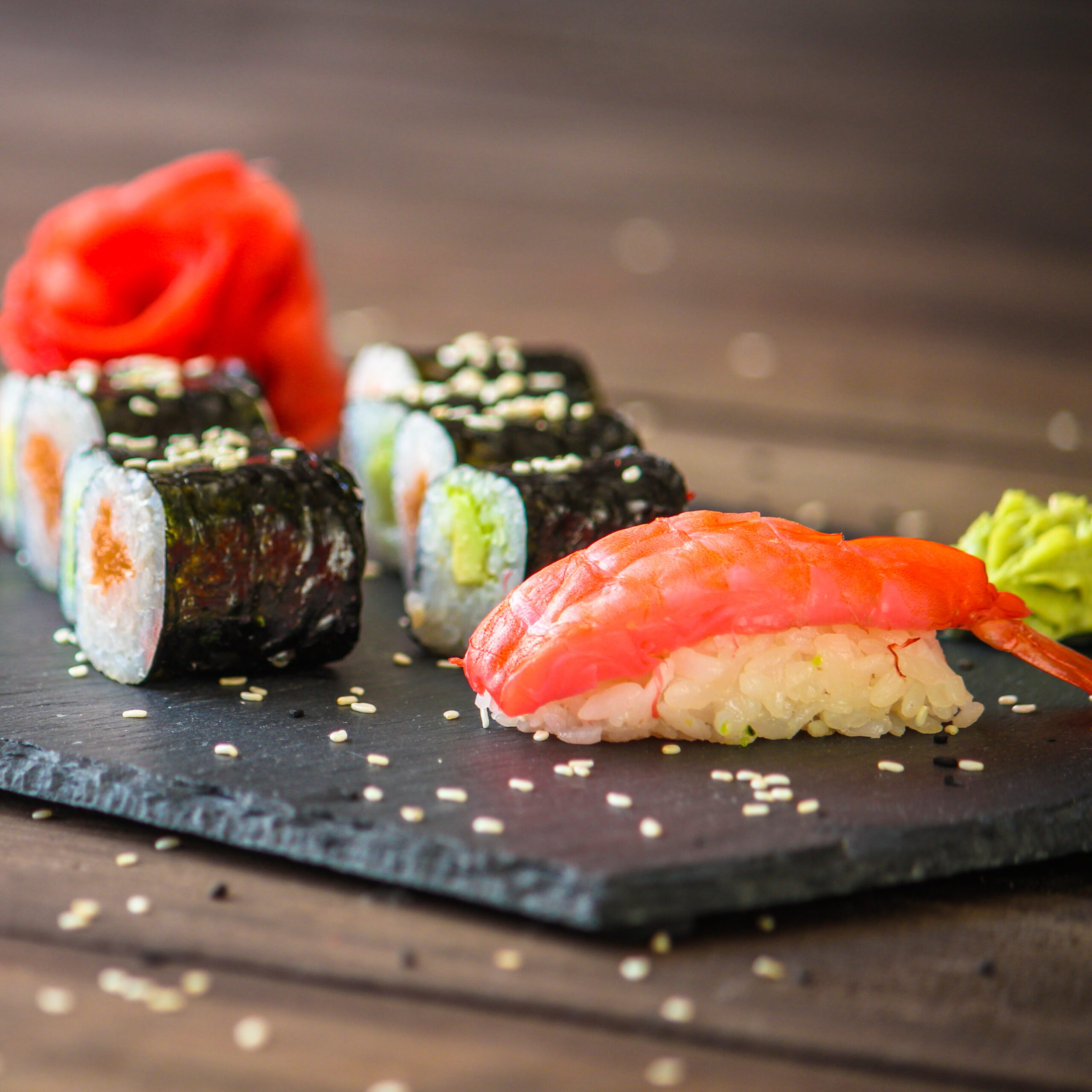
A sushi restaurant in Nagoya has found an unusual way to combine two very different aspects of Japanese popular culture: traditional sushi and live J-pop idol performances.
Sushidokoro Goichi, located in Nagoya's Naka Ward, looks at first like a conventional Japanese sushi restaurant. Its lantern-lit entrance, traditional seating areas and sushi chefs working behind the counter create the kind of atmosphere customers might expect from an established restaurant serving traditional Japanese cuisine.
But Goichi has another identity that sets it apart from an ordinary sushi restaurant. Parts of the building are equipped with stages and audio equipment, allowing the restaurant to host live performances by the locally based idol group Idol Kyoshitsu.
The concept brings together dining and entertainment in a way that gives customers an opportunity to enjoy sushi before, during or alongside an event involving performers who have developed their own following in Nagoya and beyond.
A Sushi Restaurant With Its Own Performance Space
Goichi is a multi-purpose venue as well as a restaurant. Its banquet rooms are designed to accommodate events such as wedding receptions and company parties, but some of those rooms also include stages and sound equipment.
The fourth floor became particularly important to the restaurant's unusual entertainment business because it provided a dedicated space where idol performances could be staged.
That arrangement allowed the restaurant to become more than simply a place where customers could eat. It provided a permanent base for a local idol group while also giving the performers an opportunity to appear regularly in front of an audience.
The idea came from the restaurant's owner, Noriyuki Umemura, whose own background helped inspire the combination of sushi and music.
The Owner Had a Background in Music
Umemura took over the management of the family restaurant from his father in 2007. Although he was prepared to take responsibility for the business, music remained an important part of his life.
Before returning to his hometown and taking over the restaurant, Umemura had spent time in Tokyo working as a singer-songwriter. Rather than abandoning that interest when he returned to Nagoya, he looked for a way to combine his musical ambitions with the family business.
His solution was to create an idol group that could operate from the restaurant while also performing elsewhere. In 2008, auditions were held in Nagoya and the neighbouring prefectures of Gifu and Mie to find members for the new group.
The group was named Idol Kyoshitsu, which can be translated as "Idol Classroom". The performers eventually began using the restaurant's fourth-floor stage as their regular performance venue.
Idol Kyoshitsu Performs at the Restaurant
Idol Kyoshitsu gave its first live performance at Goichi in 2009. The restaurant therefore became closely associated with the group and provided a physical home for the performers as they developed their careers.
The unusual relationship between the restaurant and the idol group went beyond simply providing a stage. Members of Idol Kyoshitsu also worked in the restaurant, helping to prepare food and serve customers.
According to Umemura, the members worked at the restaurant for several days each week. On performance days, they could also interact directly with customers, creating a much closer relationship between the performers and their audience than would normally be possible at a large concert venue.
That arrangement also meant that customers could encounter the performers away from the stage. Instead of seeing the idols only during a scheduled concert, visitors could find them working in the restaurant as part of the everyday operation of the business.
The Restaurant Became Part of the Group's Identity
The connection between Goichi and Idol Kyoshitsu helped give the group a distinctive identity within Nagoya's local entertainment scene.
The performers were not restricted to appearances inside the restaurant. Idol Kyoshitsu also performed at shopping malls, festivals and community events in the region.
As their profile increased, the group began receiving more requests for appearances and interviews. The restaurant consequently became a starting point for a music project that developed a presence beyond the family business.
The combination also allowed the group to reach people who might not normally attend an idol performance. Someone visiting the restaurant because they wanted sushi could encounter the performers and subsequently become interested in their music.
Fans Came From Different Backgrounds
The audience attracted by Idol Kyoshitsu was not limited to the stereotypical image sometimes associated with Japanese idol fandom.
Umemura said that many of the group's supporters were men in their 30s, but the restaurant also began attracting women and families. Some younger female fans were particularly interested in the combination of sushi and idol performances.
That broader audience gave the restaurant an additional advantage. Families could visit for a meal while also treating the performance as part of their entertainment for the day.
The format also created a different atmosphere from a conventional concert. Rather than entering a dedicated music venue and spending the entire evening focused on a stage, visitors could combine food, conversation and entertainment in the same location.
From Restaurant Performances to Recorded Music
Idol Kyoshitsu eventually moved beyond live appearances and began releasing recorded music. The group's first single was released in 2012, giving the performers another way to build an audience beyond their live shows.
The group's second single, "Boku wa Kimi ni Koi wo Shita", was released in August and reached No. 42 on Japan's Oricon chart.
The chart appearance was an important milestone for a group that had started by performing on a stage inside a sushi restaurant in Nagoya. It demonstrated that the unusual concept could produce music that reached an audience beyond the customers visiting Goichi.
The restaurant's owner was also directly involved in the musical side of the project. Umemura wrote songs for the group, combining his experience as a singer-songwriter with his role as the restaurant's manager and producer.
A Christmas Song With a Different Approach
One of the group's releases around the time of the story was "Happy Christmas Dadadadaijo-V", a Christmas-themed song written by Umemura.
Rather than producing a conventional Japanese Christmas love song, Umemura said he wanted to create something focused on people simply enjoying Christmas together.
The song reflected the broader character of the project. Idol Kyoshitsu was not being developed solely as a conventional idol act. It was part of a larger entertainment concept that connected music, food, local events and direct interaction with fans.
The restaurant therefore functioned as both a commercial business and a platform for promoting the performers.
Why the Concept Worked in Nagoya
The idea of combining food with entertainment was not entirely new in Japan. Tokyo's Akihabara district had already become famous for businesses that brought together food, pop culture and close interaction with performers.
Maid cafes had become a major attraction in Akihabara, while the success of AKB48 had demonstrated the appeal of smaller venues where fans could see performers at close range.
Goichi's concept brought a variation of that idea to Nagoya. Instead of building a separate entertainment venue and restaurant, the business used existing facilities within the restaurant to create a stage for performers.
The result was particularly suited to the local nature of Idol Kyoshitsu. The group could maintain a regular presence at its home venue while travelling to other locations for festivals, shopping-centre appearances and community events.
The Human Side of a Local Idol Business
The Goichi story also illustrates how much work can be involved in developing a small idol group outside Japan's biggest entertainment companies.
The performers were not simply singers appearing on a stage. They were also involved in the restaurant itself, meeting customers and helping with day-to-day operations.
That gave fans an opportunity to see the performers in a more informal setting. It also meant that the restaurant could turn ordinary customers into potential supporters of the group.
For Umemura, the arrangement offered a way to keep his connection with music alive while continuing the family restaurant business. His experience as a musician provided the foundation for the idol project, while the restaurant supplied the physical space and an existing customer base.
More Than Just a Novelty Restaurant
The combination of sushi and idol performances might initially sound like a novelty, but Goichi's approach developed into a longer-running entertainment project.
The restaurant provided a regular venue, the performers gained opportunities to build experience and fans received a place where they could see the group while also enjoying a meal.
The model also provided flexibility. The same building could host traditional restaurant customers, private functions and idol performances, allowing different parts of the business to operate around one another.
For the performers, having a regular home venue was particularly valuable. Rather than having to find a new location for every performance, Idol Kyoshitsu had a place where supporters knew they could see the group.
A Distinctive Piece of Nagoya's Entertainment Scene
Nagoya has its own long-established music, food and entertainment culture, and the Goichi project brought several of those elements together under one roof.
The restaurant retained the traditional appearance and atmosphere associated with a Japanese sushi establishment while incorporating a modern entertainment concept aimed at fans of J-pop and idols.
That contrast was part of the attraction. Customers could enter a restaurant that looked traditional from the outside and discover that it also served as a base for a performing group with ambitions beyond the local area.
The project showed how smaller businesses can experiment with different ways of attracting customers and building a community around a physical location.
When Food and Pop Culture Meet
Goichi's combination of sushi and live idol performances reflects a wider feature of Japanese entertainment: the willingness to combine everyday experiences with popular culture.
For customers, the attraction was not simply the novelty of watching a J-pop group inside a sushi restaurant. The format created a more personal experience in which performers could interact with customers away from a conventional concert environment.
For Idol Kyoshitsu, the restaurant offered a permanent base from which the group could develop its music and reach new audiences. For Umemura, it provided a way of bringing his musical career and family business together.
The result was an unusual entertainment model that blurred the boundaries between restaurant, music venue and fan community. A customer could come to Goichi for sushi and leave having discovered a local idol group, while an existing fan could visit for the performers and enjoy a meal at the same time.
That combination helped make Sushidokoro Goichi a distinctive part of Nagoya's local entertainment landscape and demonstrated that even a traditional Japanese restaurant can become an unexpected platform for J-pop.