Obon Season A Guide

Last updated on October 10th, 2026 at 09:10 am

Obon Season A Guide to Japan’s Bon Festival Traditions

Obon Season A Guide

The Obon season

Mid-August means the obon (お盆) festival season in Japan is about to get underway.

Obon is a festival and period in August for Buddhist ceremonies venerating a family’s ancestors. Many consider that the spirits of the ancestors return to be with their families during obon.

It’s also known as Bon festival, roughly translated as ‘to rise up and help’ in meaning.

While some of the traditional obon festival events are religious, others are more like big neighborhood parties. This sharing of space between the sacred and secular is common in Japan. You can read more about religion and faith in Japan on our dedicated blog post.

Html 1

When does the Bon festival take place in Japan?

The exact timing of obon can vary from place to place and Buddhist sect to Buddhist sect.

Most regions celebrate obon from August 13 to 16, but some regions hold observances in July. Obon is not a national holiday but many businesses will give their employees special leave.

The school summer holidays are also in August. Many families travel back to their hometowns for vacation during the obon festival period in Japan. Trains, planes and highways will often fill to beyond capacity with people travelling home for Bon. The shinkansen (bullet train) operates at 120% capacity – standing room only – and 30 kilometer-long traffic jams are common!


Html 2

What traditional activities do families do during obon?

The first obon festival traditional ceremony is setting out lanterns or small welcoming fires (known as mukaebi (迎火) to welcome the spirits of the ancestors back home. The family alter, or butsudan (仏壇) is decorated and small servings of the foods or drink set out daily as offerings.

Many families also say evening prayers. During the day people will visit the graveyard to clean the family grave. Each grave has a special place for candles, incense, flowers and offerings.

But there is also plenty of time for fun and activities to keep everyone occupied during obon!

html 3

What is the famous bon-odori or Bon dance?

Chief among major obon festival traditions in Japan is the bon-odori (盆踊り) or obon dance.

This is a fun Bon festival event, ranging in size from a small gathering organized by a community, to a huge tourist draw. Bon-odori dances are usually held in the evening when it is cool. The dancing part will center around a grandstand decorated with streamers and lanterns.

Many dances feature taiko (太鼓), the large Japanese drum, accompanying dancers wearing yukata. The bon-odori melody is distinctive, but you will hear pop songs in the mix. Any song that matches the rhythm of the bon-odori will work. You can learn more about bon-odori here.

Songs used may vary from region to region, and often incorporate traditional local folk songs.

At its heart, the bon-odori dance is a kind of carnival. Vendors set up stalls to sell food, trinkets, and run carnival games. It’s also a chance for people to reconnect with old classmates who have traveled home for the obon festival. There may also be fireworks to help round out the evening.

What kinds of food are traditionally eaten at obon?

Like Halloween in the US or Bonfire Night in the UK, Japan’s Bon festival has a variety of delicious foods that are traditionally eaten during this holiday – here are a few favourites:

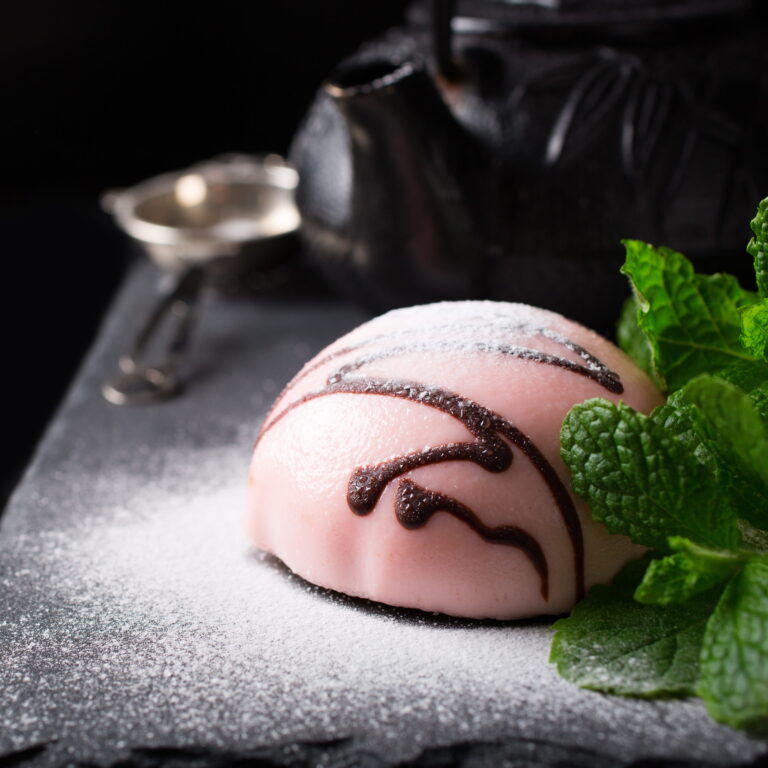
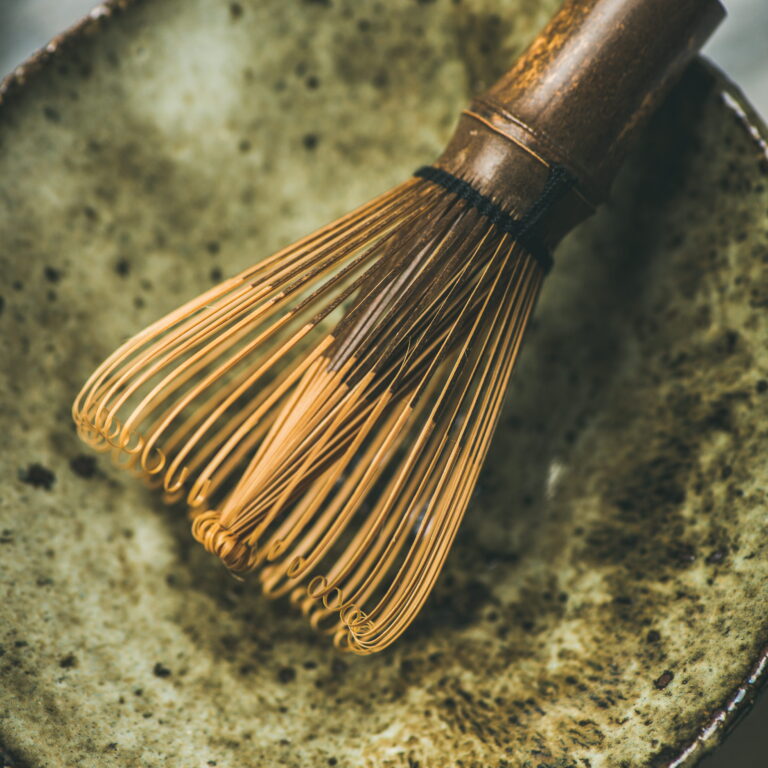
Uji-kintoki – a shaved ice dessert, traditionally made with green tea syrup

Dango – a sweet dumpling made from rice flour, often eaten on a skewer

Okonomiyaki – a popular savoury pancake, also found on street food stalls

Takoyaki – creamy fried balls of octopus, batter and chopped vegetables

If you head to a bon-odori dance, you’re sure to find tasty street food stalls nearby.

What clothes should I wear to go to a bon-odori dance?

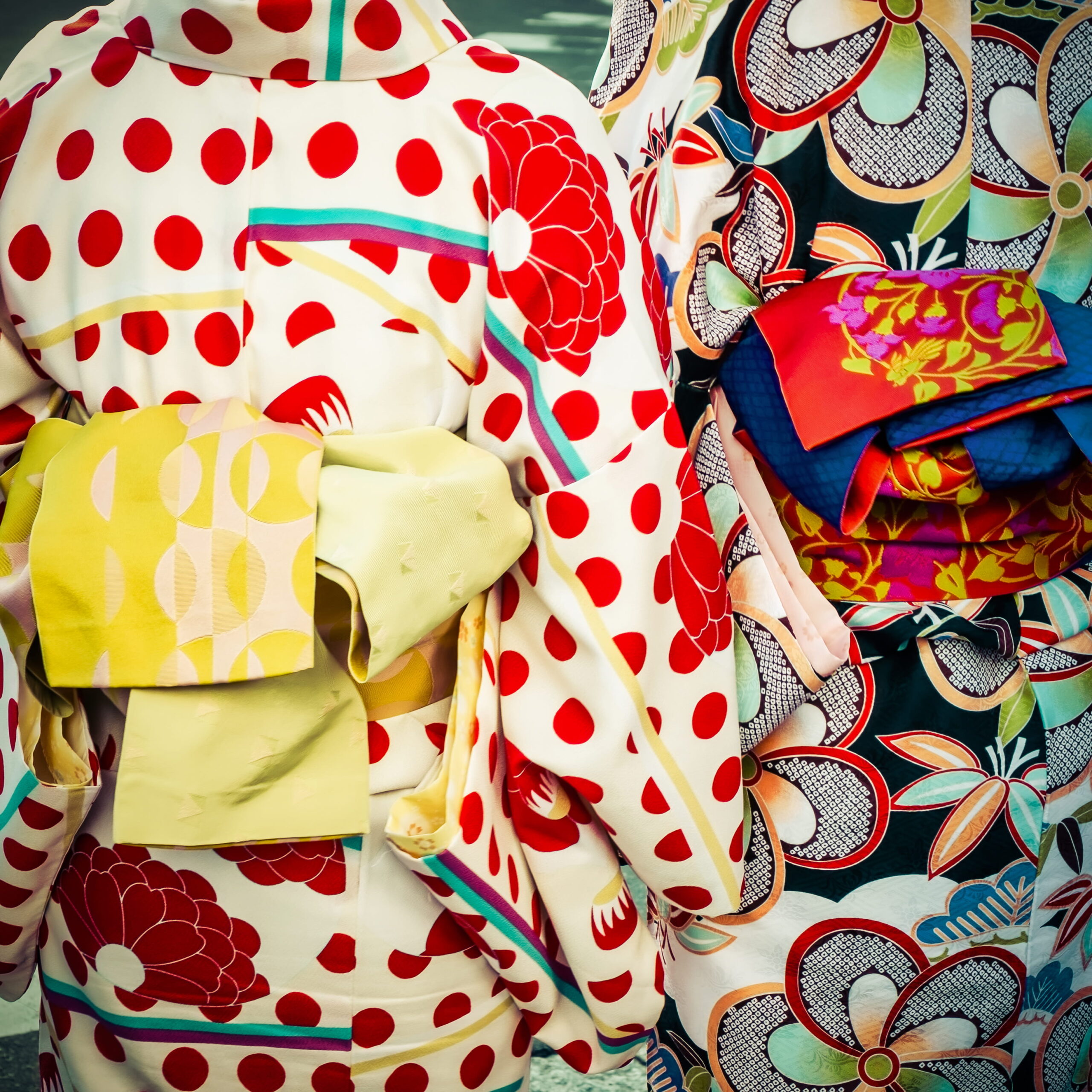
As obon festival takes place in Japan’s high summer, it’s essential to dress cool and comfy! Some women will wear a yukata, an informal cotton version of the iconic Japanese kimono.

Whatever you wear to a bon-odori, it needs to be roomy enough to dance around in freely.

html 4

How does obon festival traditionally end in Japan?

At the end of the three days, spirits are sent off in a final observance called okuribu (送火). Small fires are again lit to help light the way back to the afterlife. The special decorations on the family butsudan will are packed away and obon quietly draws to a close. Families will head back to the cities with many looking forward to the next big holiday that will bring them together – New Years.

If you move abroad and work as an ALT (Assistant Language Teacher) in Japan, one of the year’s highlights will be obon. It’s worth asking your school about taking time off to enjoy it!

Apply

Online Now

Apply and join Interac to enrich the lives of hundreds school children as an ALT!

DomesticOutside Japan
Salary:

Range of 2.4 to 3.0 million yen annually for 12-month contracts

Location:

All across Japan

Working conditions:
  • Salary range of 2.4 to 3.0 million yen annually for 12-month contracts
  • 1 year contract (renewable by mutual agreement)
  • Work Mondays to Fridays with scheduled teaching hours between 8 am and 5 pm (there will be a few times a year when schools will have special evenings or weekend events)
  • Enrollment in National Health or Pension schemes, Employment Insurance and Industrial Accident Compensation Insurance
  • 10 paid holidays a year (5 planned), with breaks during the summer and winter school holidays
Requirements:
  • Be a university graduate with at least a bachelor’s degree in any major (If you are graduating in the next six months, you can still apply ahead of time)
  • Can evidence having at least 12 years of education where the language of instruction in all courses was English
  • Professional in all aspects of behavior, in being a team-player, and in being flexible, cheerful, and energetic
RSS feed: Jobs RSS Jobs RSS

Share this article

Leave a Reply

Your email address will not be published. Required fields are marked *