Japanese Idol Culture and Fan Relationships
Overview of Japanese Idols
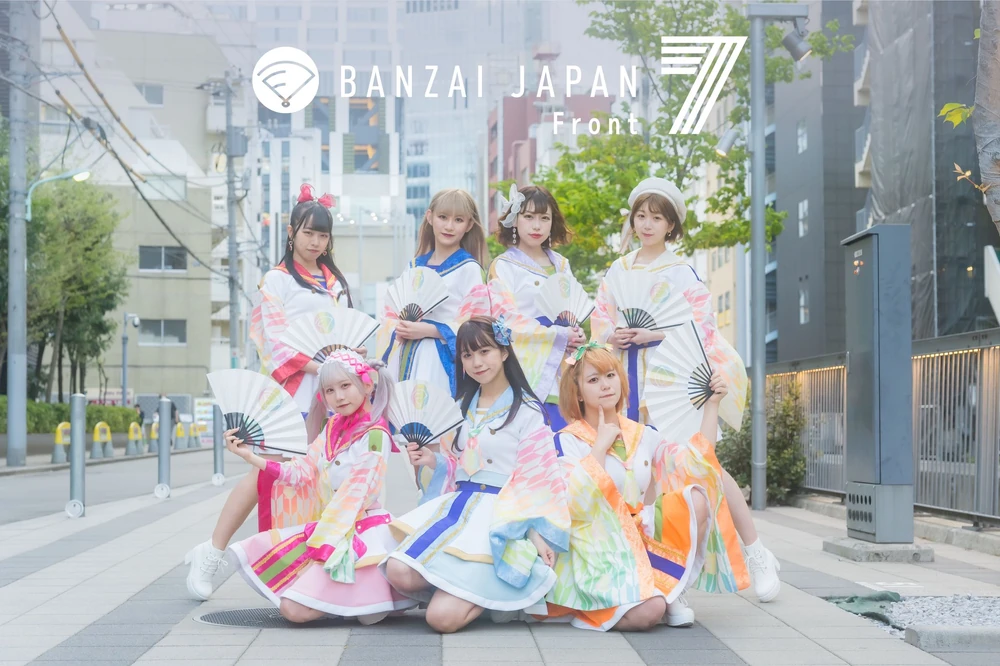
Japanese idols, known as aidoru (アイドル), are entertainers in Japanese pop culture marketed for their image, attractiveness, and personality. They are primarily singers but often train in dancing, acting, and modeling to create a versatile, relatable persona. Emerging in the 1960s and gaining prominence in the 1970s and 1980s through television, the idol industry became a cultural phenomenon during the “Golden Age of Idols” in the 1980s, with groups like Onyanko Club and solo stars like Seiko Matsuda. Today, over 10,000 teenage girls are idols in Japan, with more than 3,000 active groups, reflecting the industry’s scale and diversity during the “Idol Warring Period” of the late 2000s and early 2010s.
Idols are distinct from typical musicians or celebrities due to their emphasis on emotional accessibility and relatability rather than technical perfection. They are often marketed as “perfectly imperfect,” embodying sincerity, effort, and growth, which fans find inspiring. Agencies like Johnny & Associates and AKB48’s management cultivate this image, training young talents from adolescence to foster a sense of authenticity and closeness with fans. Idols are not expected to meet the high performance standards of professional artists; instead, their appeal lies in their journey, which fans support through merchandise, concerts, and meet-and-greet events.
The Idol-Fan Relationship
The relationship between Japanese idols and their fans is characterized by a unique, often intense, parasocial bond, where fans invest significant emotional and financial resources in a one-sided connection. This dynamic is central to the idol industry and is carefully managed by talent agencies to maintain the illusion of intimacy while driving commercial success. Below are key aspects of this relationship, drawn from the provided sources and broader cultural context:
- Parasocial Relationships and the Illusion of Intimacy
- Japanese idols are marketed as “existing for you,” fostering a sense of personal connection with fans. This contrasts with Western celebrities, who are often seen as distant or unattainable. Idols engage fans through handshake events, “cheki” (instant photo) sessions, and social media interactions, creating an illusion of intimacy. For example, underground idols in Akihabara frequently hold post-performance meet-and-greets, allowing fans to take photos and briefly interact, reinforcing this bond.
- Fans, particularly male otaku, often view idols as idealized figures—pure, youthful, and accessible. This perception is reinforced by the industry’s emphasis on idols being single and maintaining a “pure” image, which fuels fantasies of potential closeness. However, this can lead to toxic dynamics, as fans may feel betrayed if idols deviate from this image, such as by entering romantic relationships.
- The documentary Tokyo Idols by Kyoko Miyake highlights this dynamic, following 19-year-old idol Rio and her male fans, the “Rio Brothers,” who are in their thirties and forties. These fans spend significant money on meet-and-greets, viewing their support as a way to bond and find joy, yet the interactions are tightly controlled to maintain boundaries.
- The No-Dating Rule and Fan Expectations
- A hallmark of Japanese idol culture is the “love ban” (ren’ai kinshi), an often unspoken or contractual rule prohibiting idols from publicly dating. This rule exists to preserve the fantasy that idols are devoted solely to their fans, enhancing their marketability. Fans, particularly male ones, may feel a sense of ownership, believing idols “belong” to them, which can lead to backlash if romantic relationships are revealed.
- A notable example is the 2013 scandal involving AKB48 member Minami Minegishi, who was caught leaving another idol’s apartment. The tabloid exposure led to her public apology, head-shaving, and demotion to trainee status, reflecting the severe consequences of breaking the no-dating rule. This incident sparked debate about the industry’s control over idols’ personal lives, with Western media criticizing it as excessive, though in Japan, physical apologies like head-shaving are culturally significant.
- Another case involved a 17-year-old idol sued by her agency for violating a no-dating clause, highlighting the legal enforcement of such rules. The court upheld the clause, noting that even if other members dated secretly, the rule remained valid, underscoring the industry’s strict oversight.
- Fan Support and Collective Identity
- Fans play an active role in idols’ success, participating in events like wotagei (choreographed dances with glowsticks), fanchants, and voting in fan elections (e.g., AKB48’s annual rankings). These activities create a sense of community and collective effort, as fans feel they contribute to their idol’s growth. For instance, fans of groups like Morning Musume or MeseMoa engage in synchronized chants and penlight displays, showing support for specific members by using their assigned colors.
- The idol-fan relationship is often likened to a familial or mentorship dynamic, similar to Japan’s senpai-kouhai (senior-junior) system. Fans provide emotional and financial support, while idols inspire fans to pursue their own dreams. One source notes fans describing idols as giving them purpose or helping them through difficult times, illustrating the mutual inspiration.
- Challenges and Dark Sides
- The intense fan-idol relationship can lead to problematic behaviors. Extreme fans, sometimes stereotyped as otaku, may engage in stalking or harassment. In 2019, a stalker located idol Ena Matsuoka using reflections in her social media photos, highlighting the risks of close fan access. In 2014, two AKB48 members, Rina Kawae and Anna Iriyama, were attacked with a handsaw at a handshake event, resulting in injuries and trauma.
- The industry’s emphasis on young, female idols and older male fans raises ethical concerns. Tokyo Idols notes that many fans are middle-aged men who forgo real relationships to pursue idol fandom, spending disposable income on events. This dynamic is criticized for reinforcing gender norms and exploiting young women’s youth and perceived purity.
- Diversity and Evolution
- Idol culture is diverse, encompassing mainstream groups (e.g., AKB48, Arashi), underground idols (e.g., BiS, Babymetal), and virtual idols (e.g., Hatsune Miku). Underground idols are seen as more authentic, with smaller, dedicated fanbases, while virtual idols offer new forms of interaction via holographic performances.
- The industry is evolving, with growing criticism of the no-dating rule. Some Japanese fans, and many international ones, argue it’s outdated and misogynistic, as it disproportionately affects female idols. For example, Takagi Sayuki of Hello! Project received significant support when she left due to dating rumors, indicating shifting attitudes.
Referencing
@PaulMWoodman
and “Drunk Idol”Despite the request to reference
@PaulMWoodman
, no information in the provided sources or broader public data links this Twitter handle to Japanese idol culture. It’s possible that @PaulMWoodman
is a fan, commentator, or unrelated individual, but without specific context, I cannot integrate them into this analysis. Similarly, the phrase “drunk idol” does not appear in the sources or relate to a known incident involving Japanese idols. It may refer to a fictional trope, a specific scandal, or a humorous social media reference, but no evidence supports this. In idol culture, any behavior deemed scandalous, such as public intoxication, could damage an idol’s image, as fans expect purity and professionalism. However, no documented cases of a “drunk idol” scandal align with the query.Conclusion
Japanese idol culture is a complex, multifaceted phenomenon centered on parasocial relationships that foster emotional and financial investment from fans. Idols are marketed as relatable, aspirational figures, and their interactions with fans—through concerts, meet-and-greets, and media—create a sense of intimacy and community. However, strict rules like the no-dating ban and the industry’s focus on youth and purity can lead to controversies and ethical concerns. While the sources provide rich insights into these dynamics, the lack of information about
@PaulMWoodman
and “drunk idol” suggests these may not be directly relevant to the broader idol-fan relationship in Japan. For a more specific analysis, additional context about @PaulMWoodman
’s role or the “drunk idol” reference would be helpful.Related
Discover more from banzaijapan.jp
Subscribe to get the latest posts sent to your email.