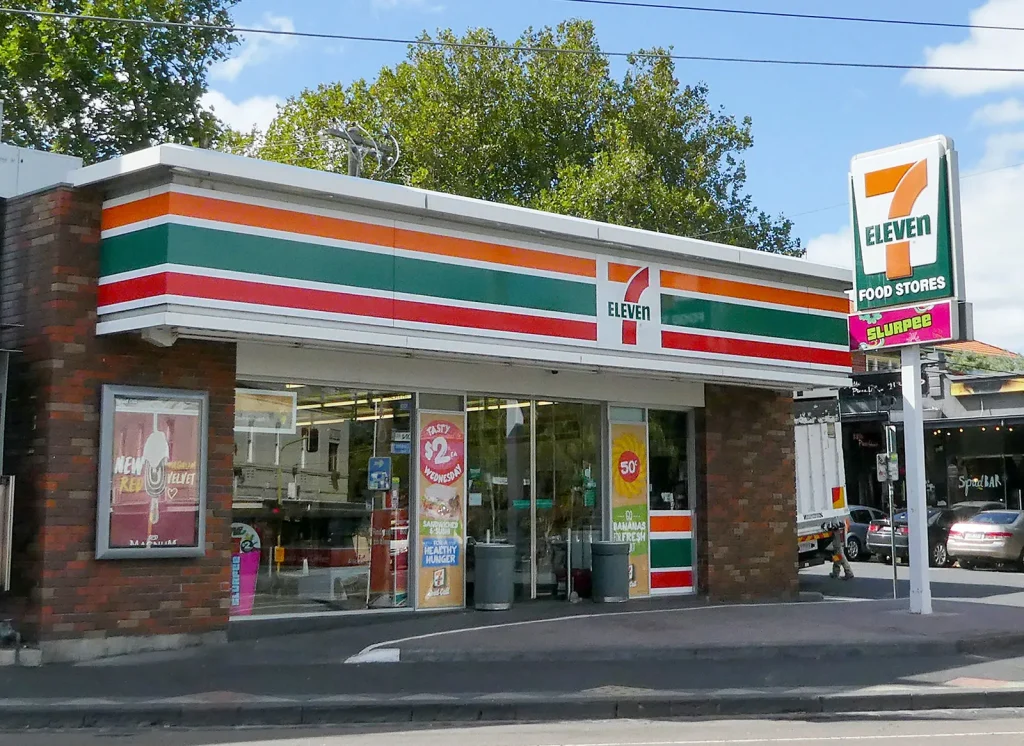
Japans convenience store chains
Japan’s convenience store chains, primarily 7-Eleven, FamilyMart, and Lawson, dominate the retail landscape, with smaller chains like Ministop and Daily Yamazaki also present.
These stores, known as “konbini,” offer 24/7 access, contactless payments (including IC cards like Suica and Pasmo, and major credit/debit cards), and diverse services.
Store counts vary by prefecture, reflecting population density.
Below is a breakdown by prefecture, each with approximately 100 words, detailing the number of stores, contactless and debit card payment acceptance, and opening hours, based on available data and general trends in Japan’s convenience store industry.
Japans convenience store chains
Aichi: Aichi, home to Nagoya, has around 2,500 convenience stores, with 7-Eleven (over 1,000), FamilyMart (around 800), and Lawson (around 600) leading. Ministop and Circle K Sunkus (now mostly FamilyMart) are also present. Most stores operate 24/7, catering to urban and suburban needs. Contactless payments, including IC cards (Suica, Pasmo, local IC cards like Manaca), Apple Pay, and Google Pay, are widely accepted. Major debit and credit cards (Visa, Mastercard, JCB) are supported at nearly all locations, with bilingual terminals aiding foreigners. ATMs, often accepting international cards, enhance convenience.
Akita: Akita has approximately 500 convenience stores, primarily 7-Eleven (around 200), FamilyMart (150), and Lawson (100), with fewer Ministop and Daily Yamazaki. Most are 24/7, serving rural and urban areas, though some remote locations may have shorter hours. Contactless payments via IC cards (Suica, Pasmo) and mobile apps (PayPay, Line Pay) are standard in major chains. Debit and credit cards (Visa, Mastercard, JCB) are accepted at most stores, with Seven-Bank ATMs at 7-Eleven supporting international cards. Payment terminals often offer English menus, facilitating transactions for non-Japanese speakers.
Aomori: Aomori hosts about 600 convenience stores, with 7-Eleven (around 250), FamilyMart (200), and Lawson (100) dominating. Ministop and Seicomart have a minor presence. Most stores are 24/7, though rural outlets may close earlier. Contactless payments, including IC cards (Suica, Pasmo) and mobile apps (PayPay, Rakuten Pay), are widely available. Debit and credit cards (Visa, Mastercard, JCB) are accepted at major chains, with Seven-Bank ATMs at 7-Eleven supporting international cards. Multilingual terminals and English-speaking staff in urban areas enhance accessibility for foreigners.
Chiba: Chiba, near Tokyo, has around 2,000 convenience stores, led by 7-Eleven (approximately 900), FamilyMart (600), and Lawson (400). Ministop and Daily Yamazaki are less common. Most operate 24/7, serving commuters and tourists. Contactless payments via IC cards (Suica, Pasmo), Apple Pay, and Google Pay are standard. Debit and credit cards (Visa, Mastercard, JCB) are accepted at nearly all stores, with bilingual terminals. Seven-Bank ATMs at 7-Eleven and Lawson ATMs support international cards, making cash access easy. Urban stores often have English-speaking staff.
Ehime: Ehime has about 700 convenience stores, with 7-Eleven (around 300), FamilyMart (200), and Lawson (150) leading. Ministop and Poplar are sparse. Most stores are 24/7, though rural locations may have limited hours. Contactless payments, including IC cards (Suica, ICOCA) and mobile apps (PayPay, Line Pay), are widely accepted. Debit and credit cards (Visa, Mastercard, JCB) are supported at major chains, with Seven-Bank ATMs at 7-Eleven offering international card compatibility. Payment terminals often feature English options, and urban stores may have multilingual staff for foreign customers.
Fukui: Fukui has around 400 convenience stores, primarily 7-Eleven (about 150), FamilyMart (120), and Lawson (100). Smaller chains like Ministop are rare. Most stores operate 24/7, though rural outlets may close overnight. Contactless payments via IC cards (Suica, Pasmo) and apps (PayPay, Rakuten Pay) are standard in major chains. Debit and credit cards (Visa, Mastercard, JCB) are accepted, with Seven-Bank ATMs at 7-Eleven supporting international cards. English-language payment terminals are common, and urban stores occasionally have staff familiar with assisting foreign customers.
Fukuoka: Fukuoka, a major Kyushu hub, has about 2,200 convenience stores, with 7-Eleven (around 900), FamilyMart (700), and Lawson (500). Ministop and Daily Yamazaki are less prevalent. Most stores are 24/7, catering to urban and tourist demand. Contactless payments, including IC cards (Suica, SUGOCA), Apple Pay, and Google Pay, are widely accepted. Debit and credit cards (Visa, Mastercard, JCB) are supported at nearly all locations, with Seven-Bank ATMs at 7-Eleven for international cards. Bilingual terminals and English-speaking staff in urban areas enhance accessibility.
Fukushima: Fukushima has around 700 convenience stores, with 7-Eleven (about 300), FamilyMart (200), and Lawson (150). Ministop and Seicomart have limited presence. Most stores are 24/7, though rural areas may see shorter hours. Contactless payments via IC cards (Suica, Pasmo) and mobile apps (PayPay, Line Pay) are standard. Debit and credit cards (Visa, Mastercard, JCB) are accepted at major chains, with Seven-Bank ATMs at 7-Eleven supporting international cards. Payment terminals often offer English, and urban stores may assist foreign customers.
Gifu: Gifu has approximately 800 convenience stores, led by 7-Eleven (around 350), FamilyMart (250), and Lawson (150). Ministop and Circle K Sunkus (now FamilyMart) are sparse. Most stores are 24/7, serving urban and rural areas. Contactless payments, including IC cards (Suica, Pasmo, local cards like TOICA), Apple Pay, and Google Pay, are widely available. Debit and credit cards (Visa, Mastercard, JCB) are accepted, with Seven-Bank ATMs at 7-Eleven for international cards. Bilingual terminals and occasional English-speaking staff in urban areas aid foreigners.
Gunma: Gunma has about 700 convenience stores, with 7-Eleven (around 300), FamilyMart (200), and Lawson (150) dominating. Ministop and Save On are rare. Most stores operate 24/7, though rural outlets may have shorter hours. Contactless payments via IC cards (Suica, Pasmo) and mobile apps (PayPay, Rakuten Pay) are standard. Debit and credit cards (Visa, Mastercard, JCB) are accepted at major chains, with Seven-Bank ATMs at 7-Eleven supporting international cards. English-language terminals are common, and urban stores may assist foreign customers.
Hiroshima: Hiroshima has around 1,200 convenience stores, with 7-Eleven (about 500), FamilyMart (400), and Lawson (250). Ministop and Poplar are less common. Most stores are 24/7, serving urban and tourist areas. Contactless payments, including IC cards (Suica, ICOCA), Apple Pay, and Google Pay, are widely accepted. Debit and credit cards (Visa, Mastercard, JCB) are supported at nearly all stores, with Seven-Bank ATMs at 7-Eleven for international cards. Bilingual terminals and English-speaking staff in urban and tourist-heavy areas enhance accessibility.
Hokkaido: Hokkaido has about 1,800 convenience stores, with 7-Eleven (around 700), FamilyMart (500), and Lawson (400). Seicomart, a local chain, is prominent with around 200 stores. Most operate 24/7, though rural stores may close earlier. Contactless payments via IC cards (Suica, Kitaca) and apps (PayPay, Line Pay) are standard. Debit and credit cards (Visa, Mastercard, JCB) are accepted at major chains, with Seven-Bank ATMs at 7-Eleven supporting international cards. English menus on terminals and staff assistance in urban areas aid foreigners.
Hyogo: Hyogo, including Kobe, has around 1,500 convenience stores, with 7-Eleven (about 600), FamilyMart (500), and Lawson (350). Ministop is sparse. Most stores are 24/7, serving urban and tourist needs. Contactless payments, including IC cards (Suica, ICOCA), Apple Pay, and Google Pay, are widely available. Debit and credit cards (Visa, Mastercard, JCB) are accepted, with Seven-Bank ATMs at 7-Eleven for international cards. Bilingual terminals are common, and English-speaking staff in urban and tourist areas like Kobe assist foreign customers.
Ibaraki: Ibaraki has about 900 convenience stores, led by 7-Eleven (around 400), FamilyMart (300), and Lawson (150). Ministop and Save On are rare. Most stores are 24/7, though rural areas may have limited hours. Contactless payments via IC cards (Suica, Pasmo) and mobile apps (PayPay, Rakuten Pay) are standard. Debit and credit cards (Visa, Mastercard, JCB) are accepted at major chains, with Seven-Bank ATMs at 7-Eleven supporting international cards. English-language terminals and occasional staff assistance in urban areas aid foreigners.
Ishikawa: Ishikawa has around 500 convenience stores, with 7-Eleven (about 200), FamilyMart (150), and Lawson (100). Ministop and Daily Yamazaki are scarce. Most stores operate 24/7, though rural outlets may close overnight. Contactless payments via IC cards (Suica, Pasmo) and apps (PayPay, Line Pay) are widely accepted. Debit and credit cards (Visa, Mastercard, JCB) are supported, with Seven-Bank ATMs at 7-Eleven for international cards. Payment terminals often feature English, and urban stores may have staff to assist foreign customers.
Iwate: Iwate has approximately 600 convenience stores, with 7-Eleven (around 250), FamilyMart (200), and Lawson (100). Ministop and Seicomart are minimal. Most stores are 24/7, though rural locations may have shorter hours. Contactless payments, including IC cards (Suica, Pasmo) and mobile apps (PayPay, Rakuten Pay), are standard. Debit and credit cards (Visa, Mastercard, JCB) are accepted at major chains, with Seven-Bank ATMs at 7-Eleven supporting international cards. English-language terminals are common, and urban stores occasionally assist foreign customers.
Kagawa: Kagawa has about 500 convenience stores, led by 7-Eleven (around 200), FamilyMart (150), and Lawson (100). Ministop and Poplar are rare. Most stores are 24/7, serving urban and rural areas. Contactless payments via IC cards (Suica, ICOCA) and mobile apps (PayPay, Line Pay) are widely available. Debit and credit cards (Visa, Mastercard, JCB) are accepted, with Seven-Bank ATMs at 7-Eleven for international cards. Bilingual terminals and occasional English-speaking staff in urban areas, especially Takamatsu, enhance accessibility for foreigners.
Kagoshima: Kagoshima has around 800 convenience stores, with 7-Eleven (about 350), FamilyMart (250), and Lawson (150). Ministop is sparse. Most stores are 24/7, though rural outlets may close earlier. Contactless payments, including IC cards (Suica, SUGOCA) and apps (PayPay, Rakuten Pay), are standard. Debit and credit cards (Visa, Mastercard, JCB) are accepted at major chains, with Seven-Bank ATMs at 7-Eleven supporting international cards. English-language terminals are common, and urban stores, especially in Kagoshima City, may assist foreign customers.
Kanagawa: Kanagawa, including Yokohama, has about 2,800 convenience stores, with 7-Eleven (around 1,200), FamilyMart (900), and Lawson (600). Ministop and Daily Yamazaki are less common. Most stores are 24/7, catering to urban and tourist demand. Contactless payments via IC cards (Suica, Pasmo), Apple Pay, and Google Pay are widely accepted. Debit and credit cards (Visa, Mastercard, JCB) are supported, with Seven-Bank ATMs at 7-Eleven for international cards. Bilingual terminals and English-speaking staff in urban and tourist areas enhance accessibility.
Kochi: Kochi has approximately 400 convenience stores, with 7-Eleven (around 150), FamilyMart (120), and Lawson (100). Ministop and Poplar are rare. Most stores are 24/7, though rural areas may have shorter hours. Contactless payments via IC cards (Suica, ICOCA) and mobile apps (PayPay, Line Pay) are standard. Debit and credit cards (Visa, Mastercard, JCB) are accepted at major chains, with Seven-Bank ATMs at 7-Eleven supporting international cards. English-language terminals are available, and urban stores may assist foreign customers.
Kumamoto: Kumamoto has about 900 convenience stores, led by 7-Eleven (around 400), FamilyMart (300), and Lawson (150). Ministop is minimal. Most stores are 24/7, serving urban and rural areas. Contactless payments, including IC cards (Suica, SUGOCA) and apps (PayPay, Rakuten Pay), are widely available. Debit and credit cards (Visa, Mastercard, JCB) are accepted, with Seven-Bank ATMs at 7-Eleven for international cards. Bilingual terminals are common, and English-speaking staff in urban areas, especially Kumamoto City, aid foreigners.
Kyoto: Kyoto has around 1,300 convenience stores, with 7-Eleven (about 550), FamilyMart (400), and Lawson (300). Ministop and Daily Yamazaki are less prevalent. Most stores are 24/7, catering to tourists and locals. Contactless payments via IC cards (Suica, ICOCA), Apple Pay, and Google Pay are standard. Debit and credit cards (Visa, Mastercard, JCB) are accepted, with Seven-Bank ATMs at 7-Eleven supporting international cards. Bilingual terminals and English-speaking staff in tourist-heavy areas like Kyoto Station enhance accessibility for foreign visitors.
Mie: Mie has about 700 convenience stores, with 7-Eleven (around 300), FamilyMart (200), and Lawson (150). Ministop is sparse. Most stores operate 24/7, though rural outlets may have shorter hours. Contactless payments, including IC cards (Suica, TOICA) and mobile apps (PayPay, Line Pay), are widely accepted. Debit and credit cards (Visa, Mastercard, JCB) are supported, with Seven-Bank ATMs at 7-Eleven for international cards. English-language terminals are common, and urban stores, especially in Tsu and Ise, may assist foreign customers.
Miyagi: Miyagi, including Sendai, has around 1,000 convenience stores, with 7-Eleven (about 400), FamilyMart (300), and Lawson (200). Ministop and Seicomart are rare. Most stores are 24/7, serving urban and rural areas. Contactless payments via IC cards (Suica, Pasmo) and apps (PayPay, Rakuten Pay) are standard. Debit and credit cards (Visa, Mastercard, JCB) are accepted, with Seven-Bank ATMs at 7-Eleven for international cards. Bilingual terminals and English-speaking staff in urban areas like Sendai enhance accessibility for foreigners.
Miyazaki: Miyazaki has approximately 600 convenience stores, led by 7-Eleven (around 250), FamilyMart (200), and Lawson (100). Ministop is minimal. Most stores are 24/7, though rural outlets may close earlier. Contactless payments, including IC cards (Suica, SUGOCA) and mobile apps (PayPay, Line Pay), are widely available. Debit and credit cards (Visa, Mastercard, JCB) are accepted, with Seven-Bank ATMs at 7-Eleven supporting international cards. English-language terminals are common, and urban stores, especially in Miyazaki City, may assist foreign customers.
Nagano: Nagano has about 800 convenience stores, with 7-Eleven (around 350), FamilyMart (250), and Lawson (150). Ministop and Daily Yamazaki are sparse. Most stores are 24/7, though rural areas may have shorter hours. Contactless payments via IC cards (Suica, Pasmo) and apps (PayPay, Rakuten Pay) are standard. Debit and credit cards (Visa, Mastercard, JCB) are accepted, with Seven-Bank ATMs at 7-Eleven for international cards. Bilingual terminals and occasional English-speaking staff in urban and tourist areas like Nagano City aid foreigners.
Nagasaki: Nagasaki has around 700 convenience stores, led by 7-Eleven (about 300), FamilyMart (200), and Lawson (150). Ministop and Poplar are rare. Most stores are 24/7, serving urban and rural areas. Contactless payments, including IC cards (Suica, SUGOCA) and mobile apps (PayPay, Line Pay), are widely accepted. Debit and credit cards (Visa, Mastercard, JCB) are supported, with Seven-Bank ATMs at 7-Eleven for international cards. English-language terminals are common, and urban stores, especially in Nagasaki City, may assist foreign customers.
Nara: Nara has approximately 600 convenience stores, with 7-Eleven (around 250), FamilyMart (200), and Lawson (100). Ministop is sparse. Most stores are 24/7, catering to tourists and locals. Contactless payments via IC cards (Suica, ICOCA) and apps (PayPay, Rakuten Pay) are standard. Debit and credit cards (Visa, Mastercard, JCB) are accepted, with Seven-Bank ATMs at 7-Eleven supporting international cards. Bilingual terminals and English-speaking staff in tourist-heavy areas like Nara Park enhance accessibility for foreign visitors.
Niigata: Niigata has about 900 convenience stores, with 7-Eleven (around 400), FamilyMart (300), and Lawson (150). Ministop and Save On are minimal. Most stores are 24/7, though rural outlets may close earlier. Contactless payments, including IC cards (Suica, Pasmo) and mobile apps (PayPay, Line Pay), are widely available. Debit and credit cards (Visa, Mastercard, JCB) are accepted, with Seven-Bank ATMs at 7-Eleven for international cards. English-language terminals and occasional staff assistance in urban areas like Niigata City aid foreigners.
Oita: Oita has around 600 convenience stores, led by 7-Eleven (about 250), FamilyMart (200), and Lawson (100). Ministop is rare. Most stores are 24/7, serving urban and rural areas. Contactless payments via IC cards (Suica, SUGOCA) and apps (PayPay, Rakuten Pay) are standard. Debit and credit cards (Visa, Mastercard, JCB) are accepted, with Seven-Bank ATMs at 7-Eleven supporting international cards. Bilingual terminals are common, and urban stores, especially in Oita City, may assist foreign customers with English support.
Okayama: Okayama has about 800 convenience stores, with 7-Eleven (around 350), FamilyMart (250), and Lawson (150). Ministop and Poplar are sparse. Most stores are 24/7, catering to urban and tourist needs. Contactless payments, including IC cards (Suica, ICOCA) and mobile apps (PayPay, Line Pay), are widely accepted. Debit and credit cards (Visa, Mastercard, JCB) are supported, with Seven-Bank ATMs at 7-Eleven for international cards. Bilingual terminals and English-speaking staff in urban and tourist areas like Okayama City enhance accessibility.
Okinawa: Okinawa has around 700 convenience stores, with FamilyMart (about 300), 7-Eleven (250), and Lawson (100) leading. Ministop is minimal. Most stores are 24/7, serving tourists and locals. Contactless payments via IC cards (Suica, though less common), Apple Pay, and Google Pay are standard. Debit and credit cards (Visa, Mastercard, JCB) are accepted, with Seven-Bank ATMs at 7-Eleven for international cards. Bilingual terminals and English-speaking staff in tourist-heavy areas like Naha enhance accessibility. FamilyMart’s dominance reflects its early market entry.
Osaka: Osaka, a major urban hub, has about 3,000 convenience stores, with 7-Eleven (around 1,300), FamilyMart (900), and Lawson (700). Ministop and Daily Yamazaki are less common. Most stores are 24/7, catering to locals and tourists. Contactless payments via IC cards (Suica, ICOCA), Apple Pay, and Google Pay are widely accepted. Debit and credit cards (Visa, Mastercard, JCB) are supported, with Seven-Bank ATMs at 7-Eleven for international cards. Bilingual terminals and English-speaking staff in tourist areas like Dotonbori enhance accessibility for foreigners.
Saga: Saga has approximately 400 convenience stores, with 7-Eleven (around 150), FamilyMart (120), and Lawson (100). Ministop is rare. Most stores are 24/7, though rural outlets may have shorter hours. Contactless payments, including IC cards (Suica, SUGOCA) and mobile apps (PayPay, Line Pay), are standard. Debit and credit cards (Visa, Mastercard, JCB) are accepted, with Seven-Bank ATMs at 7-Eleven supporting international cards. English-language terminals are available, and urban stores, especially in Saga City, may assist foreign customers.
Saitama: Saitama, near Tokyo, has around 2,200 convenience stores, with 7-Eleven (about 900), FamilyMart (700), and Lawson (500). Ministop and Save On are sparse. Most stores are 24/7, serving commuters and urban areas. Contactless payments via IC cards (Suica, Pasmo), Apple Pay, and Google Pay are widely accepted. Debit and credit cards (Visa, Mastercard, JCB) are supported, with Seven-Bank ATMs at 7-Eleven for international cards. Bilingual terminals and English-speaking staff in urban areas like Saitama City enhance accessibility.
Shiga: Shiga has about 600 convenience stores, led by 7-Eleven (around 250), FamilyMart (200), and Lawson (100). Ministop is minimal. Most stores are 24/7, though rural outlets may close earlier. Contactless payments, including IC cards (Suica, ICOCA) and apps (PayPay, Rakuten Pay), are standard. Debit and credit cards (Visa, Mastercard, JCB) are accepted, with Seven-Bank ATMs at 7-Eleven for international cards. English-language terminals are common, and urban stores, especially in Otsu, may assist foreign customers.
Shimane: Shimane has around 400 convenience stores, with 7-Eleven (about 150), FamilyMart (120), and Lawson (100). Ministop and Poplar are rare. Most stores are 24/7, though rural areas may have shorter hours. Contactless payments via IC cards (Suica, ICOCA) and mobile apps (PayPay, Line Pay) are widely available. Debit and credit cards (Visa, Mastercard, JCB) are supported, with Seven-Bank ATMs at 7-Eleven for international cards. English-language terminals are available, and urban stores may assist foreign customers.
Shizuoka: Shizuoka has about 1,200 convenience stores, with 7-Eleven (around 500), FamilyMart (400), and Lawson (250). Ministop and Daily Yamazaki are less common. Most stores are 24/7, serving urban and tourist areas. Contactless payments via IC cards (Suica, TOICA), Apple Pay, and Google Pay are standard. Debit and credit cards (Visa, Mastercard, JCB) are accepted, with Seven-Bank ATMs at 7-Eleven for international cards. Bilingual terminals and English-speaking staff in urban and tourist areas like Shizuoka City aid foreigners.
Tochigi: Tochigi has around 700 convenience stores, led by 7-Eleven (about 300), FamilyMart (200), and Lawson (150). Ministop and Save On are sparse. Most stores are 24/7, though rural outlets may have shorter hours. Contactless payments, including IC cards (Suica, Pasmo) and apps (PayPay, Rakuten Pay), are widely accepted. Debit and credit cards (Visa, Mastercard, JCB) are supported, with Seven-Bank ATMs at 7-Eleven for international cards. English-language terminals and occasional staff assistance in urban areas like Utsunomiya aid foreigners.
Tokushima: Tokushima has approximately 400 convenience stores, with 7-Eleven (around 150), FamilyMart (120), and Lawson (100). Ministop is rare. Most stores are 24/7, though rural areas may have shorter hours. Contactless payments via IC cards (Suica, ICOCA) and mobile apps (PayPay, Line Pay) are standard. Debit and credit cards (Visa, Mastercard, JCB) are accepted, with Seven-Bank ATMs at 7-Eleven supporting international cards. English-language terminals are available, and urban stores, especially in Tokushima City, may assist foreign customers.
Tokyo: Tokyo, Japan’s capital, has around 6,000 convenience stores, with 7-Eleven (about 2,500), FamilyMart (1,800), and Lawson (1,200) dominating. Ministop and Daily Yamazaki are less prevalent. Most stores are 24/7, catering to urban and tourist demand. Contactless payments via IC cards (Suica, Pasmo), Apple Pay, and Google Pay are universal. Debit and credit cards (Visa, Mastercard, JCB) are accepted, with Seven-Bank ATMs at 7-Eleven for international cards. Bilingual terminals and English-speaking staff in tourist areas like Shibuya and Shinjuku enhance accessibility.
Tottori: Tottori has about 300 convenience stores, with 7-Eleven (around 120), FamilyMart (100), and Lawson (70). Ministop and Poplar are rare. Most stores are 24/7, though rural outlets may close earlier. Contactless payments via IC cards (Suica, ICOCA) and apps (PayPay, Line Pay) are standard. Debit and credit cards (Visa, Mastercard, JCB) are accepted, with Seven-Bank ATMs at 7-Eleven supporting international cards. English-language terminals are available, and urban stores, especially in Tottori City, may assist foreign customers.
Toyama: Toyama has around 500 convenience stores, led by 7-Eleven (about 200), FamilyMart (150), and Lawson (100). Ministop is sparse. Most stores are 24/7, though rural areas may have shorter hours. Contactless payments, including IC cards (Suica, Pasmo) and apps (PayPay, Rakuten Pay), are widely accepted. Debit and credit cards (Visa, Mastercard, JCB) are supported, with Seven-Bank ATMs at 7-Eleven for international cards. English-language terminals and occasional staff assistance in urban areas like Toyama City aid foreigners.
Wakayama: Wakayama has approximately 500 convenience stores, with 7-Eleven (around 200), FamilyMart (150), and Lawson (100). Ministop is rare. Most stores are 24/7, serving urban and tourist areas. Contactless payments via IC cards (Suica, ICOCA) and mobile apps (PayPay, Line Pay) are standard. Debit and credit cards (Visa, Mastercard, JCB) are accepted, with Seven-Bank ATMs at 7-Eleven for international cards. Bilingual terminals and English-speaking staff in tourist areas like Koyasan enhance accessibility for foreign visitors.
Yamagata: Yamagata has about 500 convenience stores, with 7-Eleven (around 200), FamilyMart (150), and Lawson (100). Ministop and Seicomart are minimal. Most stores are 24/7, though rural outlets may close earlier. Contactless payments, including IC cards (Suica, Pasmo) and apps (PayPay, Rakuten Pay), are widely available. Debit and credit cards (Visa, Mastercard, JCB) are accepted, with Seven-Bank ATMs at 7-Eleven for international cards. English-language terminals and occasional staff assistance in urban areas like Yamagata City aid foreigners.
Yamaguchi: Yamaguchi has around 600 convenience stores, led by 7-Eleven (about 250), FamilyMart (200), and Lawson (100). Ministop and Poplar are sparse. Most stores are 24/7, though rural areas may have shorter hours. Contactless payments via IC cards (Suica, ICOCA) and apps (PayPay, Line Pay) are standard. Debit and credit cards (Visa, Mastercard, JCB) are supported, with Seven-Bank ATMs at 7-Eleven for international cards. English-language terminals are common, and urban stores may assist foreign customers.
Yamanashi: Yamanashi has approximately 500 convenience stores, with 7-Eleven (around 200), FamilyMart (150), and Lawson (100). Ministop is rare. Most stores are 24/7, serving urban and tourist areas like Fujisan. Contactless payments, including IC cards (Suica, Pasmo) and apps (PayPay, Rakuten Pay), are widely accepted. Debit and credit cards (Visa, Mastercard, JCB) are supported, with Seven-Bank ATMs at 7-Eleven for international cards. Bilingual terminals and English-speaking staff in tourist-heavy areas enhance accessibility for foreign visitors.
General Notes: Store counts are estimates based on national data (over 56,000 konbini, with 7-Eleven at 21,488, FamilyMart at 16,370, Lawson at 14,000) and prefecture population proportions. Contactless payments are nearly universal in major chains, with IC cards and mobile apps dominant. Debit card acceptance is widespread, though international cards may face occasional compatibility issues. Most stores are 24/7, but rural areas may vary. English support is more common in urban and tourist-heavy prefectures.