
Free Eight Japanese Foods to Stay Cool in Summer 2025
Eight Japanese Foods to Stay Cool in Summer
1. Hiyashi Chuka

2. Somen
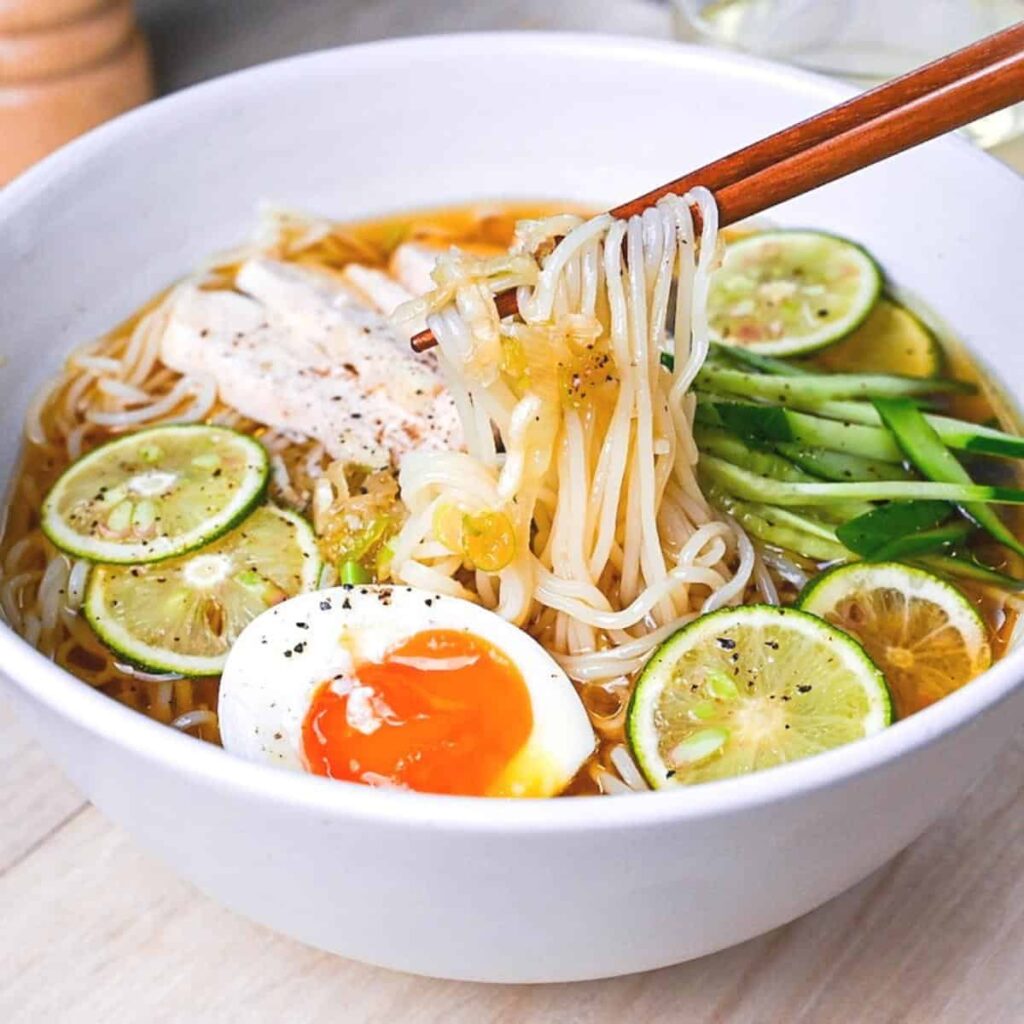
3. Kakigori
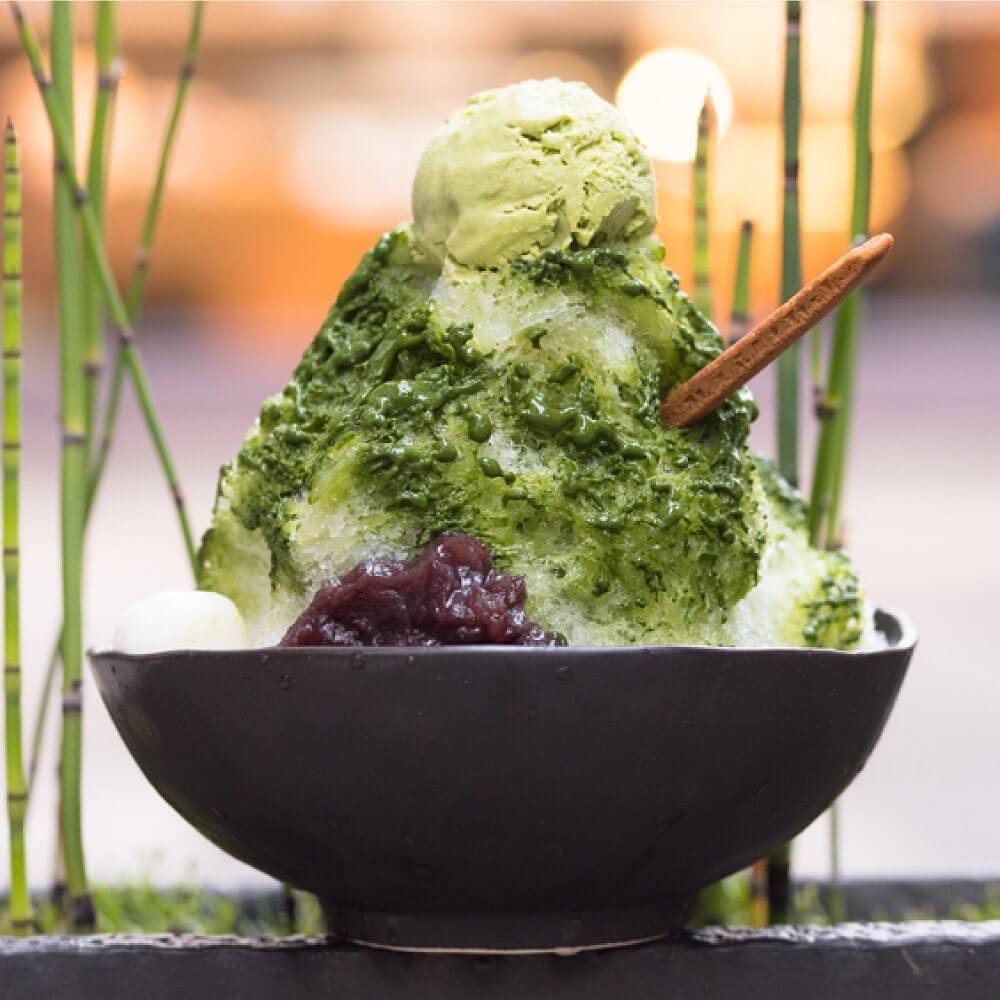
4. Hiyayakko

5. Mizu Yokan
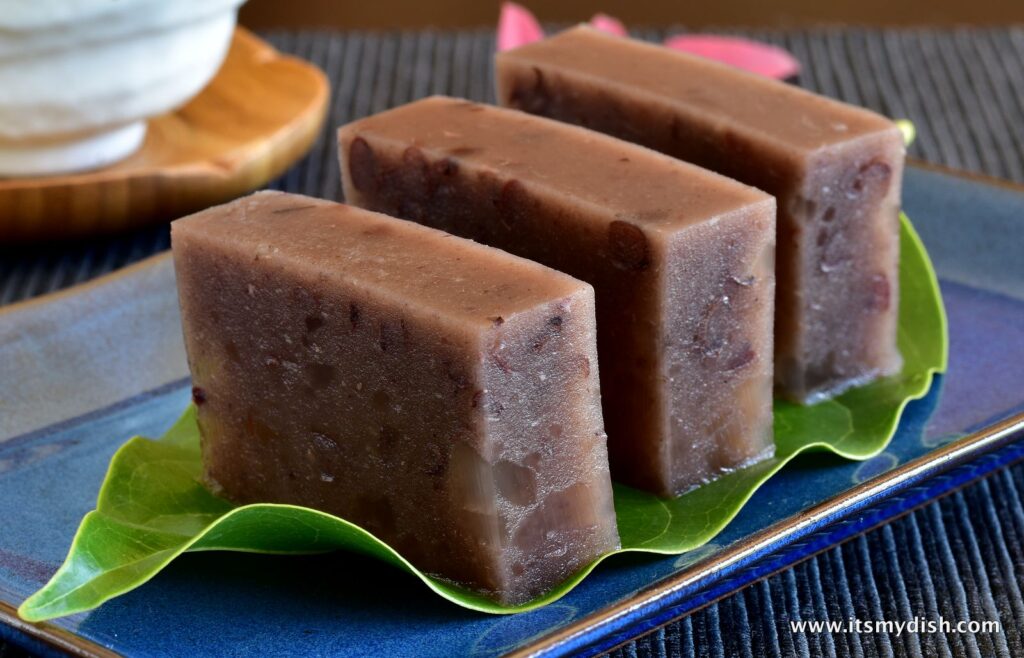
6. Anmitsu Anmitsu
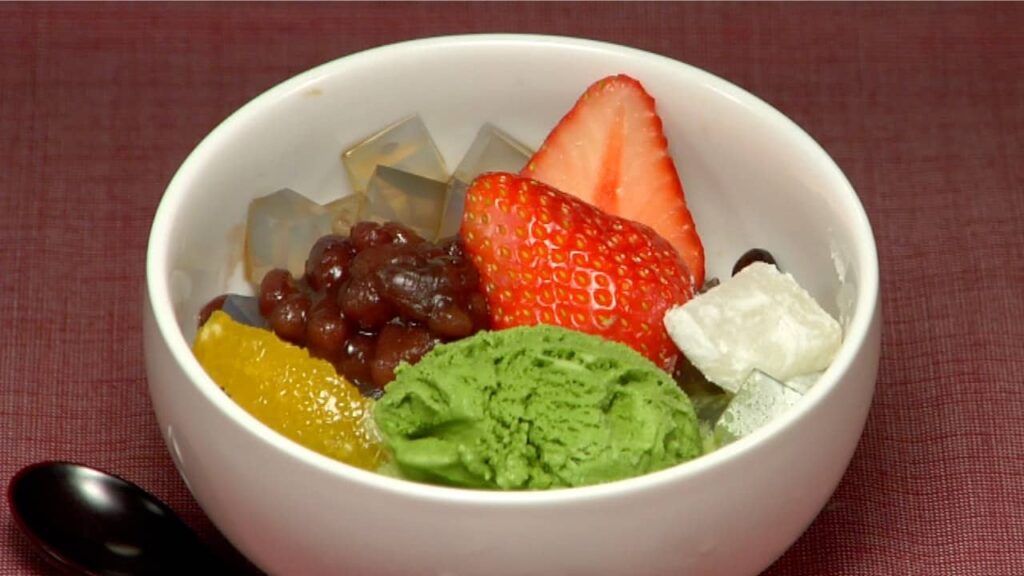
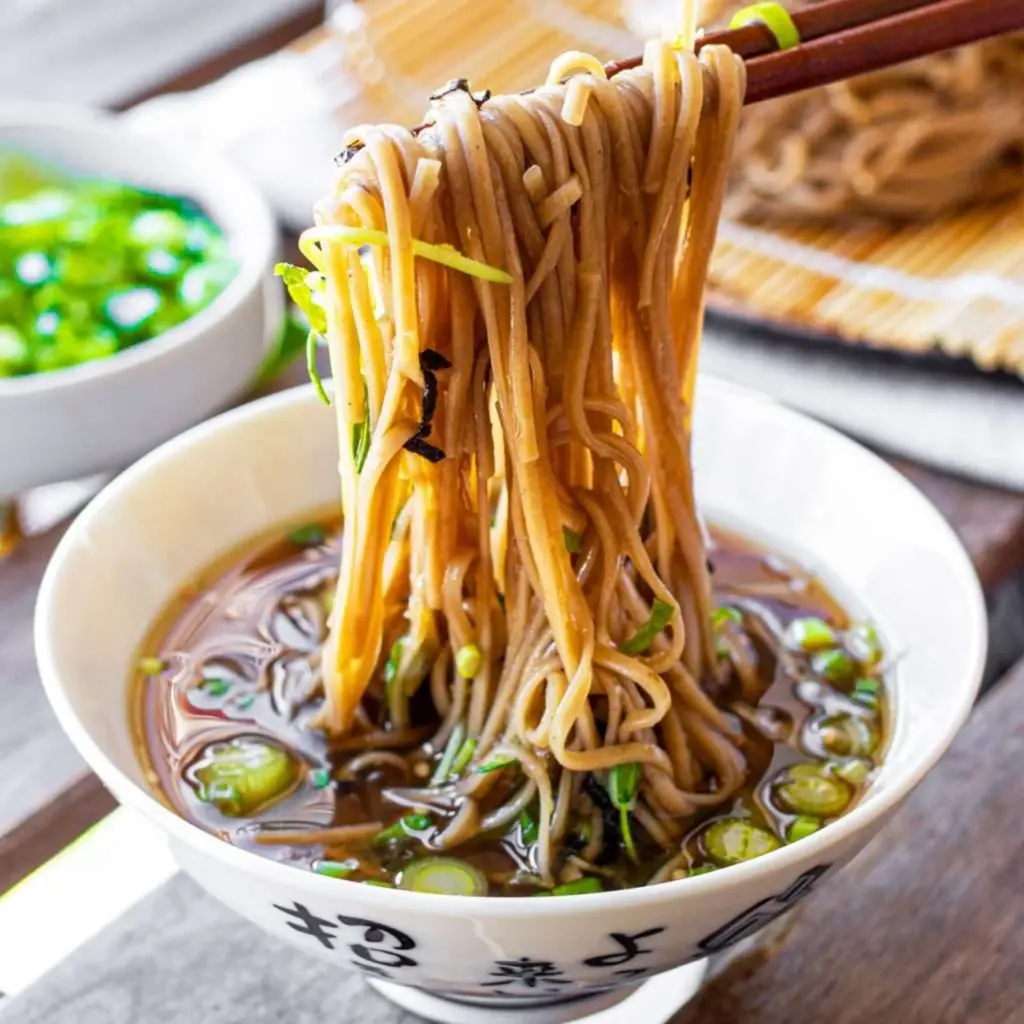
7. Zaru
8. Mugicha

🌞 Cooling Down with Japanese Cuisine: A Tasteful Summer Strategy
When the relentless heat of summer bears down, few things offer relief like the subtle sophistication of Japanese food. Beyond its renowned aesthetics and delicate flavor profiles, Japanese cuisine is intrinsically designed to harmonize with the seasons. In the sweltering months, traditional summer dishes offer more than just nourishment—they deliver cool comfort, hydration, and an experience that engages both body and spirit.
One of the most compelling reasons to embrace Japanese food in summer is its emphasis on lightness and balance. Unlike heavier Western meals, which often rely on rich sauces and fatty components, Japanese summer dishes are typically low in oil and high in water content. Take sōmen, for example—thin wheat noodles served chilled with a light soy-based dipping sauce. The simplicity and cooling sensation of sōmen provide instant relief in hot weather, while maintaining nutritional integrity.
Moreover, Japanese cuisine leans heavily on ingredients with naturally cooling properties. Cucumber, tofu, seaweed, and daikon radish are staples in seasonal dishes and are believed in Eastern traditions to lower the body’s internal temperature. Hiyayakko, a dish featuring chilled silken tofu topped with ginger, green onions, and bonito flakes, is a quintessential example. It’s not just refreshing—it’s packed with protein and umami, making it both satisfying and health-conscious.
Hydration plays another pivotal role in summer survival, and Japanese food excels here, too. Dishes like miso soup with wakame, sunomono (vinegar-dressed vegetables), and even cold matcha tea offer electrolytes and gentle rehydration. Matcha, in particular, is loaded with antioxidants and provides a calm, sustained energy release—perfect for long humid afternoons without the jittery crash of coffee.
Seasonal eating isn’t just about temperature—it’s also about mood. Presentation and atmosphere are integral to Japanese food culture, and many summer dishes are served in ways that look cool. Delicate glass bowls, bamboo serving trays, and ice beds for sashimi invoke a sensory chill even before the first bite. Traditional establishments may even use running water features or wind chimes in dining spaces to heighten the cooling ambiance.
Beyond physical comfort, eating Japanese food in summer encourages mindfulness and seasonal awareness. Meals become rituals—pauses in the day to reset, hydrate, and appreciate nature’s cycles. In a fast-paced world, this intentional slowing down can be just as restorative as the food itself.
In essence, Japanese cuisine isn’t just a way to cope with the heat—it’s a celebration of it. With its refined ingredients, refreshing textures, and seasonally attuned flavors, it turns summer from a sweltering nuisance into an opportunity to reconnect with health, culture, and calm. So next time the thermometer climbs, reach for a bowl of sōmen or a plate of hiyayakko. You’ll find that cooling down never tasted so elegant.





One Response
Banzai Japan
Banzai Japan