Japan Reports 50,107 New Coronavirus Cases as Infections Rise
Japan reported 50,107 new coronavirus cases on Friday, July 8, 2022, as COVID-19 infections continued to rise across the country. The latest total marked a sharp increase from the number of cases recorded in Japan only a week earlier and came as health authorities warned that a new wave of infections was gathering pace.
The increase was being driven by the spread of the Omicron variant, particularly the BA.4 and BA.5 subvariants. Cases were rising in prefectures across Japan, with several areas already recording their highest numbers since the beginning of the pandemic.
The resurgence came after Japan had experienced a substantial decline in infections during the spring. By early summer, the government had been moving towards a more normal approach to daily life, including reopening the country to international tourists and considering the return of domestic travel incentives.
National Cases Rise Rapidly
The 50,107 cases reported on July 8 represented a major increase compared with the previous week. The national total had been considerably lower at the beginning of July, but infections were increasing rapidly as the more transmissible Omicron subvariants spread through communities.
The rise was occurring across a broad area of Japan rather than being confined to one particular city or prefecture. Health authorities were therefore monitoring the national situation closely as they assessed whether the country was entering another major wave.
Tokyo remained one of the main centres of the increase, while Osaka, Kanagawa, Aichi and other heavily populated prefectures were also reporting thousands of new infections. Smaller prefectures were experiencing increases as well, with some setting new daily records.
The figures showed how quickly the situation had changed. Japan had moved from relatively low case numbers during the later part of the previous wave to more than 50,000 new infections in a single day.
Tokyo Sees Another Increase
Tokyo was reporting a substantial rise in infections as part of the nationwide increase. The capital had already seen cases climb steadily during the preceding days, with health officials warning that the trend could continue.
The Tokyo metropolitan area was particularly important to the national picture because of its large population and extensive connections with other parts of Japan. People travel between Tokyo and neighbouring prefectures every day for work, education, shopping and leisure.
An increase in infections in the capital can therefore contribute to higher case numbers elsewhere, although transmission was already increasing independently in many regions.
Officials were also monitoring hospitalisations and serious cases rather than relying solely on the number of confirmed infections. The impact on medical services was an important factor in determining how authorities would respond to the new wave.
Omicron BA.4 and BA.5 Spread
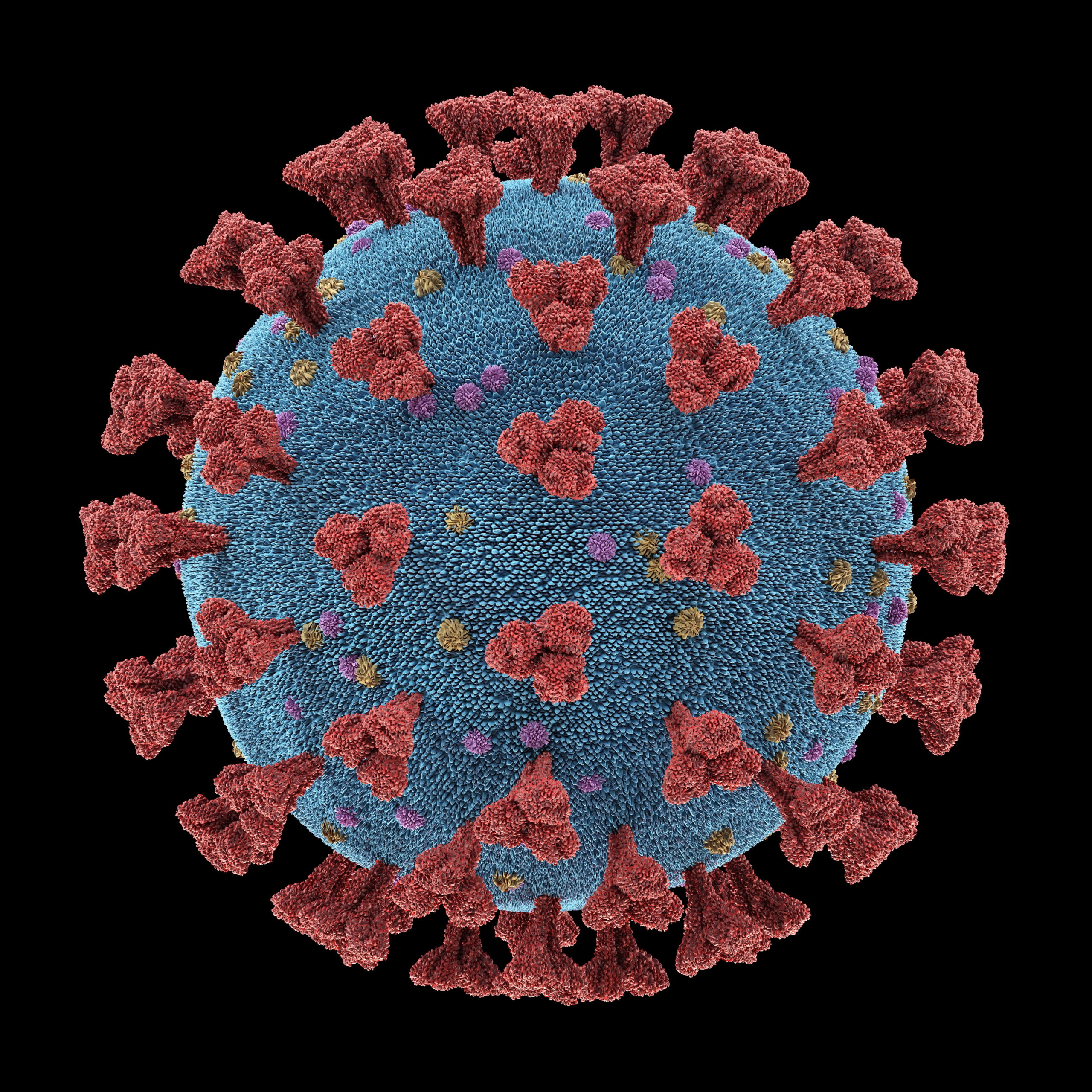
The latest increase coincided with the growing circulation of the BA.4 and BA.5 subvariants of Omicron. These subvariants were more transmissible than earlier versions of the virus and had been spreading in a number of countries.
Japan had already experienced a major Omicron wave earlier in 2022. Infection numbers subsequently declined, but the emergence and spread of BA.4 and BA.5 created conditions for another rapid increase.
The new subvariants were also capable of infecting people who had previously received COVID-19 vaccinations or had been infected in the past. However, vaccination remained an important factor in reducing the risk of severe illness.
Health authorities consequently continued to distinguish between rising infection numbers and the number of people developing severe symptoms or requiring hospital treatment.
Several Prefectures Record High Numbers
The increase was visible in prefectures throughout Japan. Major urban areas were recording large numbers of cases, while less populated regions were also seeing significant increases relative to their previous totals.
Ehime Prefecture was among the areas reporting particularly high figures for its population. The prefecture had already recorded several new daily highs during the week as infections increased.
Other prefectures were also approaching or exceeding previous records. The fact that new highs were appearing in different parts of Japan was an indication that the increase was not simply the result of an isolated outbreak.
Authorities were watching these regional figures closely because the ability of local healthcare systems to absorb additional patients varies from one part of Japan to another.
Hospital Capacity Remains a Key Concern
Although Omicron generally caused less severe disease than some earlier variants, a rapid increase in infections could still lead to more hospitalisations in absolute numbers.
For that reason, health officials were monitoring the number of infected people requiring hospital treatment as well as the number of patients with serious symptoms. These figures would help determine whether the growing number of infections was beginning to place significant pressure on hospitals.
The situation was different from the earliest stages of the pandemic, when Japan had far less information about the virus and fewer people had immunity through vaccination or previous infection.
Nevertheless, hospitals continued to prepare for the possibility that sustained growth in cases could eventually translate into increased demand for medical services.
Japan Was Reopening to Foreign Tourists
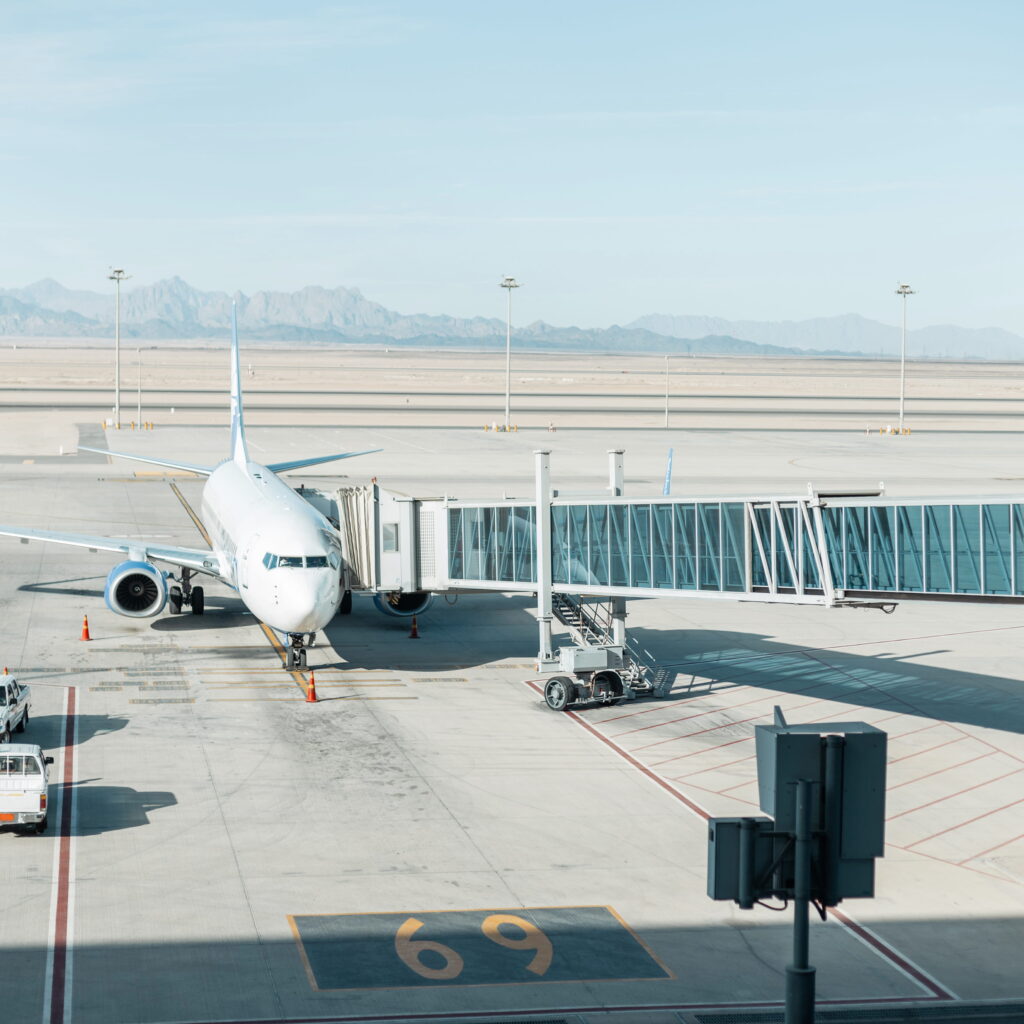
The new increase in infections came at a significant time for Japan because the country had begun reopening its borders to foreign tourists after more than two years of strict pandemic restrictions.
From June 10, Japan had permitted foreign tourists to enter on package tours under specified conditions. The reopening was intended to help revive the tourism industry and businesses that had suffered from the prolonged absence of international visitors.
The government had also been considering further measures to encourage domestic tourism as infection numbers fell earlier in the year. The rapid increase in cases created uncertainty over whether some of those plans could proceed as originally intended.
Authorities were therefore attempting to balance the economic importance of travel and tourism with the need to monitor the renewed spread of COVID-19.
No Immediate Return to Earlier Restrictions
The increase in infections did not immediately result in a nationwide return to the extensive restrictions used during earlier stages of the pandemic. Instead, authorities continued monitoring the situation and considering the severity of the new wave.
Japan had previously used states of emergency and quasi-emergency measures to reduce movement and restrict business activity when hospitals were under severe pressure. By July 2022, the government's approach had shifted towards maintaining social and economic activity while encouraging measures that could reduce transmission.
The rapid rise in cases nevertheless prompted renewed discussion about whether additional measures might eventually be necessary if hospitalisations and serious cases also increased.
The timing was particularly important because Japan was approaching the summer travel season, when movement between regions normally increases.
Vaccination Remains Part of Response
Vaccination remained a central part of Japan's strategy for reducing the consequences of COVID-19. By this stage, a large proportion of the population had received multiple vaccine doses, although protection against infection could decline over time and the Omicron variants could infect vaccinated people.
The primary public-health concern was therefore increasingly focused on preventing severe disease and maintaining sufficient medical capacity rather than attempting to eliminate every infection.
Japan had also begun offering additional booster doses to eligible groups as it sought to maintain protection against serious illness.
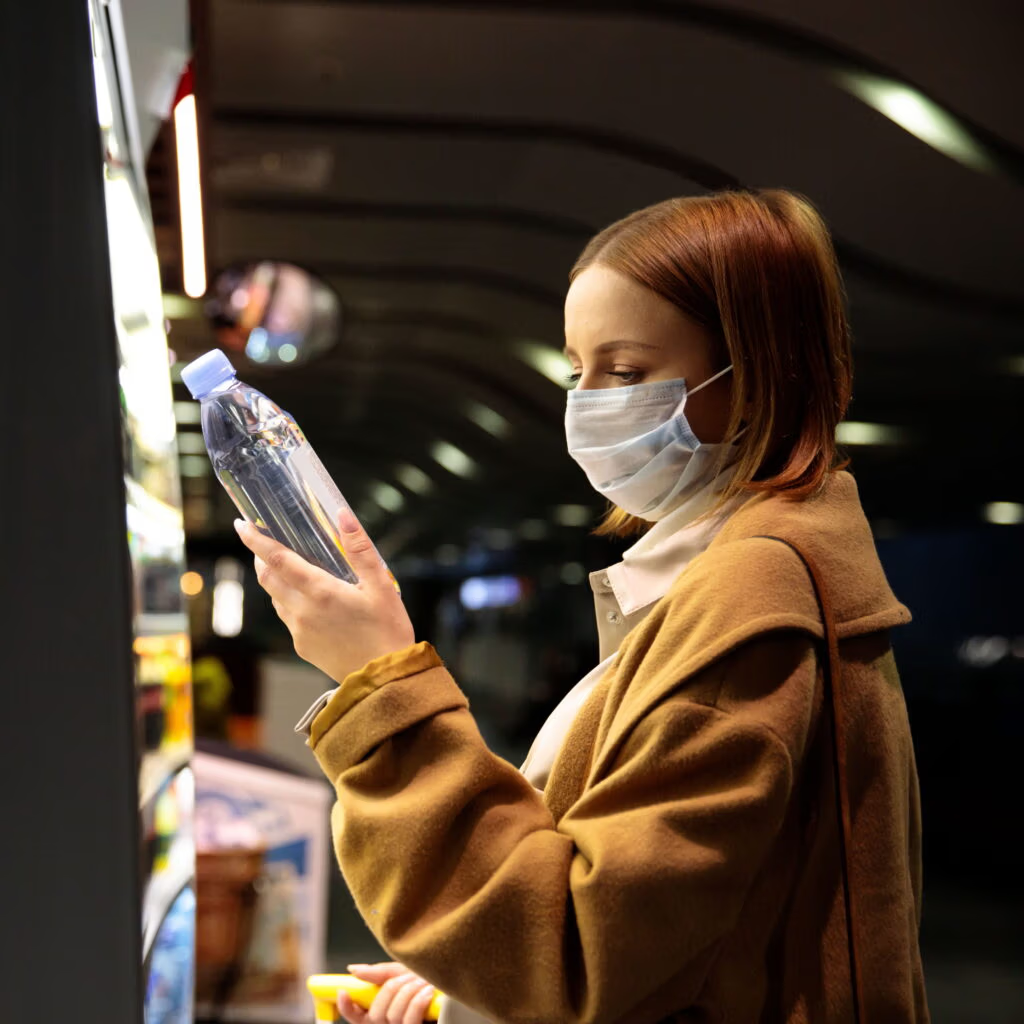
Officials continued to encourage people to follow measures intended to reduce transmission, particularly in crowded or poorly ventilated settings.
Travel Plans Face Greater Uncertainty
The increase in cases also created uncertainty for people planning summer travel within Japan. The government had been preparing measures intended to support domestic tourism, but rapidly rising infections made the timing of those initiatives more complicated.
Travel between prefectures can contribute to the spread of respiratory infections, particularly during periods when millions of people move around the country at the same time.
At the same time, Japan's tourism and hospitality industries had experienced significant financial losses during the pandemic. Businesses were seeking a return of visitors after years of reduced activity, making any new restrictions economically significant.
The government therefore faced a difficult situation as it monitored the new wave while trying to restore economic activity.
New Wave Develops After Months of Decline
The 50,107 cases reported on July 8 illustrated how quickly Japan's COVID-19 situation had changed. After a period of declining infections, cases were once again increasing rapidly across the country.
The spread of BA.4 and BA.5 was contributing to the rise, with major cities and smaller prefectures alike reporting increases. Several areas were already recording their highest daily totals since the pandemic began.
Health authorities continued to watch hospitalisations and serious cases to determine whether the increase in infections would produce a corresponding increase in pressure on medical services.
The situation also came as Japan was reopening to international tourism and preparing for a busy domestic travel season. The combination of rising infections and increasing movement meant that the coming weeks would be closely monitored by national and local authorities.
Japan Monitors Rapidly Rising Infections
The latest national figure confirmed that Japan was experiencing another substantial increase in coronavirus infections. More than 50,000 new cases in a single day represented a significant change from the relatively lower numbers recorded only weeks earlier.
The increase was widespread, with cases rising in Tokyo and other major population centres as well as in smaller prefectures. The appearance of new regional records demonstrated the speed at which the latest wave was spreading.
For authorities, the key question was whether the rapid rise in infections would result in a similarly significant increase in hospitalisations and serious cases. Those indicators would help determine the pressure being placed on Japan's healthcare system.
As Japan entered the summer of 2022, the country was therefore facing a renewed coronavirus wave at the same time as it was reopening its borders and attempting to restore tourism and other economic activity. The 50,107 cases reported on July 8 marked another significant stage in that changing pandemic situation.