
Horóscopo Semanal de Aries del 11 de Octubre al 17 de Octubre
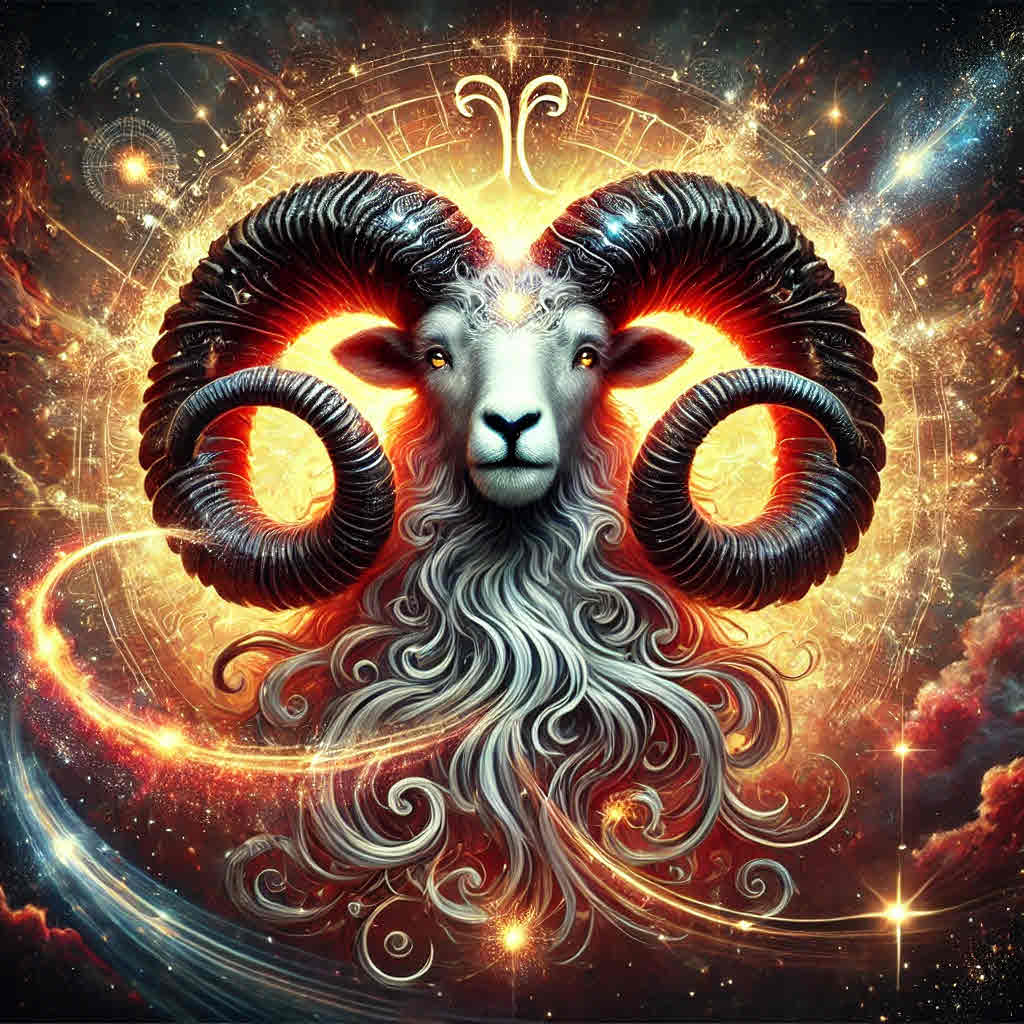
Mi radiante Aries, el universo danza con una coreografía cósmica solo para ti. Esta semana, los cielos encienden tu espíritu con una sinfonía de danzas planetarias: la Luna Nueva en Libra abre portales a nuevos comienzos, mientras Marte y Júpiter en Leo avivan tus llamas internas. Saturno y Neptuno retrógrados en tu signo te piden reflexionar, sanar y soñar audazmente. Venus retrógrada en Escorpio agita las profundidades de tu corazón, y Plutón en conjunción con Altair te regala el coraje de un guerrero celestial. Cada día, el viaje de la Luna a través de Libra, Escorpio, Sagitario y Capricornio coloreará tus emociones e interacciones, guiándote a equilibrar, transformar, expandir y lograr. Usa este horóscopo como tu mapa mágico: ¡deja que las estrellas te inspiren a amar con fervor, actuar con valentía y abrazar tu destino con la pasión que solo un Aries puede invocar!

La Luna Nueva en Libra adorna tu cielo, invitándote a plantar semillas de armonía en relaciones y asociaciones. El Sol en Libra se opone a Saturno en tu signo, instándote a equilibrar la autoafirmación con la diplomacia: no temas erguirte, pero escucha con tu corazón. Venus retrógrada en Escorpio forma un cuadrado con Marte en Leo, creando una energía magnética pero tempestuosa en el amor; las pasiones están a flor de piel, pero cuidado con los celos o las palabras impulsivas. En el ámbito laboral, Marte y Júpiter en Leo hacen un sextil al Sol, infundiéndote carisma y liderazgo: brilla, pero evita luchas de poder ya que Marte se opone a Plutón (en conjunción con Altair), lo que te tienta a asumir riesgos audaces. En lo financiero, revisa inversiones y evita decisiones apresuradas; los retrógrados piden paciencia. En salud, Neptuno y Saturno en Aries están en conjunción, así que descansa y sueña: tu intuición es un mapa del tesoro. Abraza nuevos comienzos, pero déjalos florecer suavemente.

La Luna se desliza hacia Escorpio, profundizando tus aguas emocionales y despertando a tu detective interno. Mercurio y Venus en conjunción en Escorpio hacen que tus palabras sean magnéticas y tus deseos intensos: perfecto para conversaciones de corazón a corazón o proyectos creativos. Venus retrógrada continúa agitando viejos amores o sentimientos no resueltos; reflexiona antes de actuar. En el trabajo, Marte en Leo se opone a Plutón, por lo que las dinámicas de poder pueden salir a la superficie: canaliza tu coraje en acciones constructivas, no en confrontaciones. Los asuntos de dinero se benefician del sextil del Sol a Júpiter: una pequeña oportunidad podría crecer en algo grandioso si se nutre. La salud es sensible; escucha los susurros de tu cuerpo. Hoy, la transformación es posible si enfrentas tus sombras con la valentía de un héroe cósmico.

La Luna en Escorpio continúa iluminando tus profundidades, haciendo de este un día para la honestidad emocional y el poderoso autodescubrimiento. Mercurio en conjunción con Venus en Escorpio agudiza tu intuición: confía en tu instinto tanto en el amor como en los negocios. Venus forma un cuadrado con Marte y Plutón, así que espera encuentros apasionados y posibles confrontaciones; usa tu legendario coraje ariano para resolver, no para escalar. Saturno y Neptuno retrógrados en tu signo te piden que revisites viejos sueños: ¿qué necesita sanación antes de que avances? En lo financiero, evita aventuras arriesgadas; en su lugar, revisa y refina tus planes. En salud, el agua calma: toma un baño, medita o camina junto a un río. Hoy, las estrellas te instan a transformar el dolor en sabiduría y el deseo en propósito.

La Luna salta hacia Sagitario, infundiendo tu espíritu con optimismo y deseo de aventura. Marte en Leo forma un trígono con Saturno en Aries, dándote la energía para convertir sueños en acción: comienza un nuevo proyecto o aventura. Venus en Escorpio forma un cuadrado con Marte y Plutón, así que el amor es ardiente y transformador; deja ir rencores y abraza el perdón. En el ámbito laboral, el sextil del Sol a Júpiter trae suerte y reconocimiento: asume el protagonismo, pero mantente humilde. En lo financiero, la expansión es favorecida si actúas con integridad. La salud se ve impulsada por el movimiento: baila, corre o explora nuevos lugares. Hoy, el universo te invita a expandir tus horizontes y confiar en tu potencial ilimitado.

La Luna en Sagitario continúa elevando tu ánimo, pero Venus retrógrada en Escorpio forma un cuadrado con Plutón y Marte, creando una tempestad en asuntos del corazón. Viejas heridas o secretos pueden salir a la superficie: sé amable contigo mismo y con los demás. Marte en trígono con Saturno te da la disciplina para superar obstáculos en el trabajo; usa esta energía para terminar lo que comenzaste. En lo financiero, Venus en quintil con Júpiter insinúa una ganancia sorpresa, pero cuidado: con Urano retrógrado, eventos inesperados podrían interrumpir tus planes. Observa cambios repentinos en relaciones o finanzas: revisa los detalles y evita decisiones impulsivas. En salud, canaliza la energía excesiva en ejercicio o actividades creativas. Hoy, espera lo inesperado y mantente flexible; tu adaptabilidad es tu superpoder.

La creciente Luna en Sagitario te llena de esperanza y anticipación por el futuro. Mercurio en Escorpio forma un cuadrado con Júpiter en Leo, haciendo que tus ideas sean audaces pero propensas a la exageración: sueña en grande, pero ancla tus planes en la realidad. Venus retrógrada continúa agitando tus pasiones; reconéctate con un viejo amigo o amante, pero no te apresures en compromisos. En el trabajo, Marte en trígono con Saturno te ayuda a solidificar tu reputación: siéntete orgulloso de tus logros. En lo financiero, revisa presupuestos y evita gastar de más. La salud está energizada: prueba un nuevo deporte o actividad al aire libre. Prepárate para un fin de semana aventurero planificando una salida espontánea o un proyecto creativo; ¡las estrellas favorecen los comienzos audaces y la exploración alegre!

La Luna entra en Capricornio, anclando tu energía ardiente y enfocando tus ambiciones. Marte en Leo forma un trígono con Saturno en Aries, dándote la resistencia para alcanzar metas a largo plazo: hoy es perfecto para abordar grandes proyectos u organizar tu vida. Venus retrógrada en Escorpio en quincuncio con Neptuno en Aries puede nublar tu juicio romántico; busca claridad antes de hacer promesas. En el trabajo, el sextil del Sol a Júpiter trae reconocimiento: ¡celebra tu progreso! En lo financiero, la estabilidad está al alcance si actúas con disciplina. En salud, la estructura trae paz: establece rutinas o comienza un nuevo hábito de bienestar. El universo te llama a aprovechar el día: toma acción audaz, confía en tus instintos y abraza cada oportunidad con el coraje de un líder nacido de las estrellas.

Esta semana, enfócate en equilibrar la acción audaz con la reflexión cuidadosa. La Luna Nueva y las fases de creciente te invitan a establecer intenciones y nutrirlas con paciencia. Los retrógrados de Venus, Saturno, Urano, Neptuno y Plutón te instan a revisar el pasado, sanar viejas heridas y refinar tus sueños. Plutón en conjunción con Altair te empodera para actuar con coraje e integridad: usa este regalo cósmico para transformar desafíos en triunfos. En el amor, sé honesto y compasivo; en el trabajo, lidera con visión y disciplina. En lo financiero, evita riesgos y busca estabilidad. En salud, honra las necesidades de tu cuerpo y abraza nuevas rutinas. Sobre todo, confía en tu luz única: déjala brillar, iluminar e inspirar. Con mucho, mucho amor, ¡el universo te bendice!