Easy Washoku Meals Anyone Can Make

Last updated on October 10th, 2026 at 09:57 am

Easy Washoku Meals Anyone Can Make

As a coronavirus pandemic spreads, many people are spending more time at home than they used to. One of the productive activities at home that many people are doing is cooking. 

This unexpected stay-at-home period has given us more time to cook delicious food at home, so we thought it’d be a good time to celebrate some traditional washoku (Japanese cuisine) dishes. 

Having a strong immune system is the key to survival in this current world and that’s one of the main benefits of washoku dishes, as Japanese traditional foods are healthy hand have a good nutritional balance. Some ingredients like miso, yuzu, and tofu can help you stay healthy and boost your immune system. 

The fact is that eating out is more costly and not something that Japanese people do everyday. Eventually, you’ll have to cook something at home. It’s more economical and healthier to cook for yourself.” – an ALT from Interac

Html 1

Let us introduce some of the easy washoku (Japanese cuisine) recipes that you can try at home. Some of these recipes might already be familiar to you, but some dishes are far more satisfying and enjoyable if you make them yourself. These classic Japanese dishes are not that difficult to make, so take your pick from the list of recipes and try one for yourself at home. 

Soy Milk Miso Soup (豆乳味噌スヌプ-

Miso soup is a classic Japanese dish. It’s often served as a side dish with any washoku meal – it’s warm, comforting, and tasty. That being said, it is possible to get bored of the same things, but there is another way to make miso soup.

Tonyu Miso Soup is a variation of miso soup that includes the addition of soy milk. Whilst this might seem odd, it’s a very popular version of this classic soup that’s loved by almost all Japanese people. The key for this dish is to use unadjusted soy milk, not the green packaged one but the beige packaged one as it doesn’t have anything added to it. 

Html 2

html 3

Kibun (玀文 is a famous brand of soy milk that’s very popular in Japan and is widely available in supermarkets – this is what we recommend using for this recipe. Adding soy milk makes the taste more western so potato, beacon, broccoli etc. are good to use.

Ingredients serve two:

・Unadjusted Soy milk (無調敎豆乳

・1 Potato 

・2 slices of Bacon

・1/4 bag of Spinach

・2 Tablespoons of Sesame seed

・1/2 tea spoon of Dashi powder

・ 2 Tablespoons of Miso

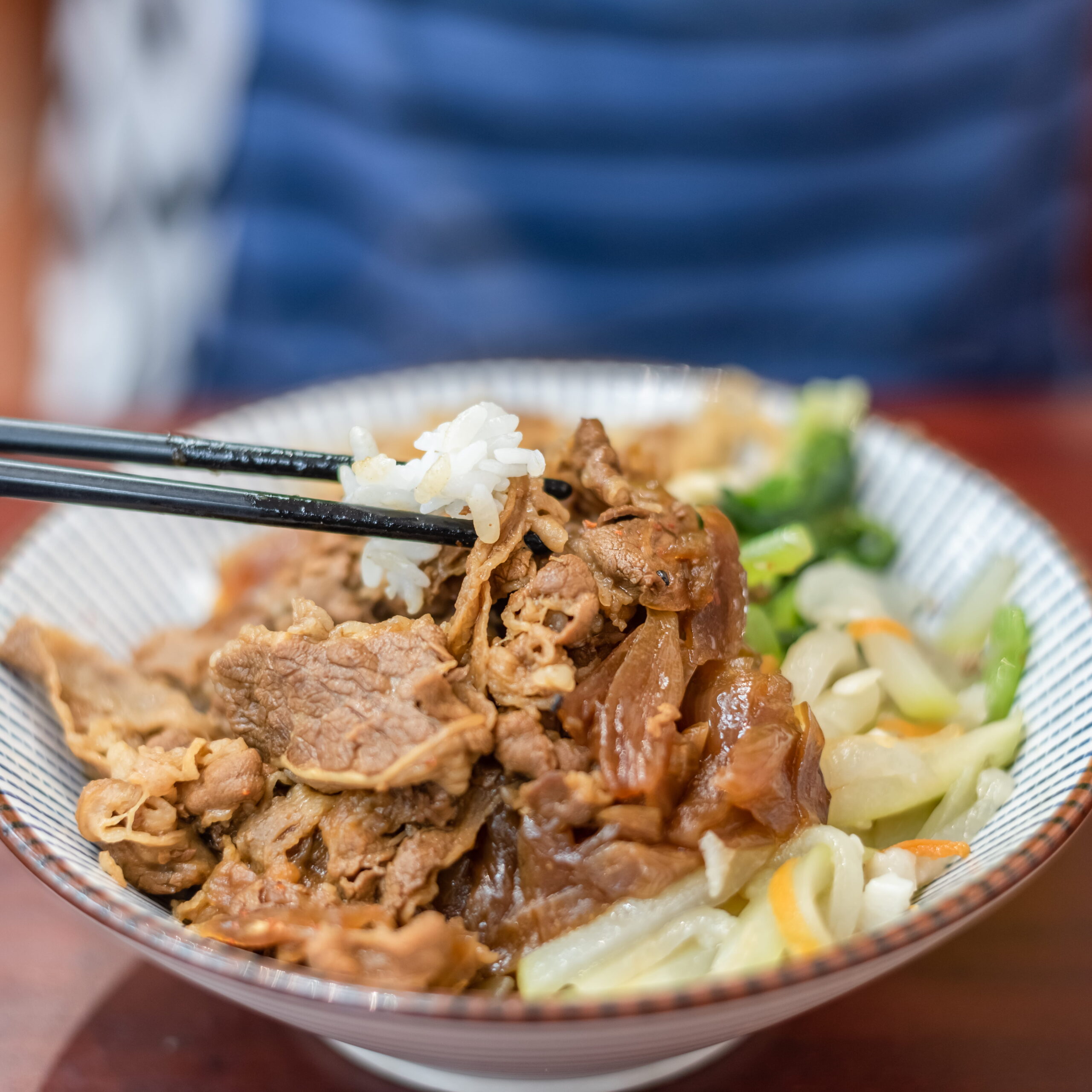
Oyako Don (芪子䞌)

What came first, the chicken or the egg? We’re not quite sure, but what we do know is that this next washoku dish uses both to create something truly delicious – it’s the perfect dish for chicken and egg lovers.  

This is an extremely comforting dish that can be found in restaurants, cafes, and izakayas all over Japan. It’s a meal in itself, combining simple ingredients to great effect. The base of the sauce used to make oyako don is dashi, a stock made from bonito flakes and kombu, which are both full of savoury and smokey flavours. If you’ve mastered a good dashi, then you’re already halfway there. The dashi is then simmered with eggs, chicken and onion, alongside a few other seasonings, to create a sauce that has the perfect balance of sweet and salty flavours.

Ingredients serve one:

・1/4 Chicken breasts

・2 Eggs

・1/4 Onion

・1 bowl of rice

・Japanese sake

・1 tablespoon of  Soy sauce

・1 teaspoon of Sugar

・1 tablespoon of  Mirin

・Mizuna as needed

Hiyayakko (冷ややっこ-Japanese chilled Tofu

This is a very simple dish that’s commonly served as part of a homecooked meal in Japan. Hiyayakko is a delicate dish that combines clean-tasting tofu with a punchy sauce made with scallion and ginger. Like many Japanese dishes, Hiyayakko is all about texture – the combination of soft tofu and the fresh ingredients used in the sauce is extremely satisfying. 


There are 5 kinds of Tofu and the major 2 are Silk Tofu (絹and firm(朚綿). The main difference between these two varieties of tofu is their texture. Silk tofu is far softer and smoother than firm tofu, hence the name. Either will work well for this dish but, traditionally, silk tofu is preferred. 


Ingredients serves one: :


・1/2 of Tofu

・Ginger as needed

・1 leaf of macrophyll

・5 cm of Scallions

・Bonito Flakes as needed

html 4

Zaru-Soba (ざるそば- Cold soba noodles

Japanese noodle dishes are popular the world over, but many take influence from countries nearby. Take ramen for example – this wonderful noodle soup dish has many variations, but it has roots in Chinese food culture. Soba, on the other hand, is 100% a washoku dish.


Soba refers to the noodles themselves. Made from buckwheat, soba noodles are simple, healthy, and delicious. However, what some westerners might find unusual is that some soba noodle dishes are often served at room temperature, or even cold. This version is eaten cold during the summer months in Japan because it’s brilliantly refreshing and cooling.    


Ingredients serve one:


・Soba noodles 100g

・Mentsuyu (a dipping sauce made with bonito flakes, mirin, soy sauce, sugar and konbu (dried kelp)

Apply

Online Now

Apply and join Interac to enrich the lives of hundreds school children as an ALT!

DomesticOutside Japan

Kinpira Gobo (きんぎらごがう

Kinipira Gobo is another washoku side dish that you’d expect to see as part of a main meal in Japan and it can be eaten hot or cold, whatever your preference. This goes well with rice and bread as well.

The main ingredient of this side dish is Gobo (burdock). It will probably be new to some of you, as it’s not something commonly eaten in the western world. Gobo needs to be prepared in advance of making this dish – it must be soaked well in a bowl of water with a little bit of vinegar for about 15 minutes to remove the astringency of the root.

Ingredients serve two:

・1 stalk of Burdock

・1/3 of a Carrot 

・30cc Japanese sake

・1 +1/2 tablespoon Soy sauce

・sugar 1 tablespoon

・mirin 2 tablespoons

・sesame oil 1/2 tablespoon

Try one of these washoku dishes for yourself

Maybe you have noticed by now, Soy sauce, sugar, mirin, Japanese sake, are heavily used to make Japanese dish. It’s safe to say that you should always have these staple ingredients in your pantry if you enjoy cooking Japanese food!

You can also create your own Japanese meals from scratch with these basics:

Bases

Every dish has a base, the main ingredient that is supporting the whole dish.

Popular bases are:

  1. Rice
  2. Noodles
  3. Soup
  4. Pancake

With these 4 bases, you can make dozens of different versions quite easily. So choose a base and let’s go on to the next step.

Flavor/Sauces

Most Japanese dishes have a spice or flavor and a sauce that is typically made up of 5 common ingredients:

  1. Soy sauce
  2. Sugar
  3. Salt
  4. Sesame
  5. Vinegar

Mixing different amounts of these ingredients gives you different types of sauces for different dishes. Luckily, you can also find many types of sauces premade in bottles or packets that are very easy to use.

Methods

The cooking method is dependent on the type of dish you want to make. A lot of dishes are stir-fried or boiled, but other methods are also used depending on the dish being made.

  1. Frying
  2. Boiling
  3. Baking
  4. Steaming
  5. Grilling

Most Japanese “gas table” burners have a fish grill built-in, and in the case that you’re in an all-electric apartment, there are electric grills that you can get inexpensively. 

Also, many types of Japanese microwave ovens these days are also convection ovens capable of baking as well.

Putting it all together

Pick one base, one sauce, and one method, add whatever you want to it (or whatever is on sale at the supermarket) and you get your dish.

Examples

Rice + Soy, Sugar + Boiling = Oyakodon

Noodles + Soy, Salt + Frying = Yakisoba

Soup + Soy, Salt, Sesame + Boiling = Ramen

Pancake + Soy, Salt, Sugar + Grilling = Okonomiyaki

So you can see that when reduced to the basics, Japanese cooking is a system of these parts put together in a large number of combinations. Choosing what combination you want is what makes a particular dish.


Salary:

Range of 2.4 to 3.0 million yen annually for 12-month contracts

Location:

All across Japan

Working conditions:
  • Salary range of 2.4 to 3.0 million yen annually for 12-month contracts
  • 1 year contract (renewable by mutual agreement)
  • Work Mondays to Fridays with scheduled teaching hours between 8 am and 5 pm (there will be a few times a year when schools will have special evenings or weekend events)
  • Enrollment in National Health or Pension schemes, Employment Insurance and Industrial Accident Compensation Insurance
  • 10 paid holidays a year (5 planned), with breaks during the summer and winter school holidays
Requirements:
  • Be a university graduate with at least a bachelor’s degree in any major (If you are graduating in the next six months, you can still apply ahead of time)
  • Can evidence having at least 12 years of education where the language of instruction in all courses was English
  • Professional in all aspects of behavior, in being a team-player, and in being flexible, cheerful, and energetic
RSS feed: Jobs RSS Jobs RSS

Share this article

Leave a Reply

Your email address will not be published. Required fields are marked *