Home Page
How ‘cosplay’ became big business

How ‘cosplay’ became big business

96 / 100 SEO Score

How 'cosplay' became big business

The Rise of Cosplay as a Global Phenomenon

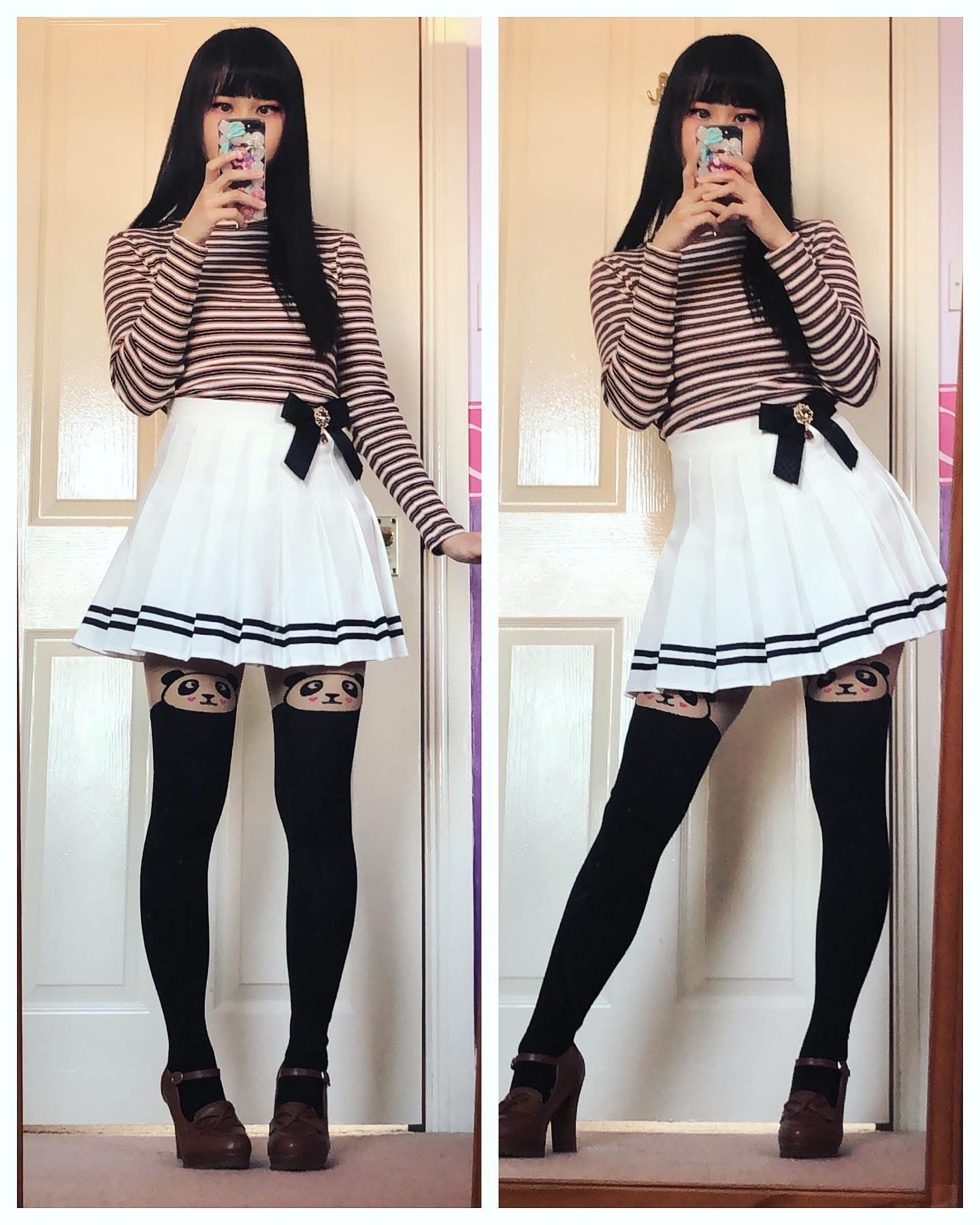
Cosplay has grown from a niche hobby into a significant global industry. Fans of graphic novels, video games, films and comics invest time and resources to create and wear detailed costumes that emulate their favourite fictional characters. What began as enthusiastic dressing up has developed into a substantial economic activity with conventions, professional makers and commercial opportunities worldwide.

The hobby involves far more than simply wearing costumes. Participants often spend hundreds of hours designing, crafting and perfecting their outfits. This dedication has helped transform cosplay into a major cultural and commercial force over the past two decades.

Economic Scale of the Industry

Cosplay now generates significant revenue through ticketed events, costume sales, accessories, photography services and sponsorship deals. Major comic conventions attract hundreds of thousands of attendees who participate in or watch cosplay activities. The global market includes both amateur enthusiasts and professionals who have turned their passion into full-time careers.

The industry benefits from the popularity of entertainment franchises including superhero stories, anime, manga and video games. This broad appeal has driven steady growth in participation and spending.

From Hobby to Professional Opportunity

Many individuals have successfully built businesses around cosplay. Some create and sell high-quality costumes while others offer commissioning services for custom outfits. Professional cosplayers earn income through event appearances, social media content, brand partnerships and tutorial content. The transition from personal hobby to viable career path reflects the increasing commercial potential of the activity.

Conventions provide platforms where skilled cosplayers can showcase their work and connect with audiences and potential clients.

Growth Over Two Decades

The expansion of cosplay has been remarkable over the past twenty years. Improvements in materials, online communities and access to reference images have made it easier for people to create impressive costumes. Social media platforms have further accelerated growth by allowing cosplayers to share their creations with global audiences and build personal brands.

What was once a relatively small subculture has become a mainstream entertainment element at major events around the world.

Categories and Keywords

Categories: Business Entertainment Culture Cosplay Industry.

Keywords: cosplay big business costume making conventions graphic novels video games anime manga professional cosplayers global industry.

Advert 1

Cosplay as a Creative and Commercial Pursuit

Cosplay represents the ultimate form of fancy dress where enthusiasts go to great lengths to accurately portray characters from their favourite stories. The activity combines creativity, craftsmanship and performance. Many participants view it as both a personal passion and a way to connect with like-minded communities at events and online.

The commercial side has expanded as demand for quality costumes and related services has increased. This has created opportunities for makers, designers and performers to monetise their skills.

Role of Major Events and Media

Large comic conventions and fan events serve as key drivers for the cosplay industry. These gatherings bring together thousands of people who celebrate costumes and characters. Media coverage and social media amplification have helped raise the profile of cosplay and attract new participants and sponsors.

The growth reflects broader trends in fan culture and the increasing value placed on immersive entertainment experiences.

Turning Passion into Career

A growing number of people have transformed their cosplay hobby into professional careers. This includes full-time costume creation, event organisation, content creation and brand collaborations. Success stories demonstrate how dedication to the craft can lead to sustainable business opportunities within the expanding industry.

The episode explores these journeys and examines the factors that have supported the rise of cosplay as a significant economic activity.

Future Outlook for the Industry

Cosplay continues to evolve with new technologies, materials and character franchises contributing to its development. The combination of creative expression and commercial potential suggests further growth in the coming years. As more people discover the hobby and existing participants deepen their involvement, the industry is expected to maintain its upward trajectory.

The global appeal of cosplay ensures it remains a dynamic and increasingly important part of modern entertainment culture.

Categories and Keywords

Categories: Business Entertainment Culture Cosplay Industry.

Keywords: cosplay big business costume hobby conventions professional cosplayers fan culture graphic novels video games global growth.

*2

How ‘cosplay’ became big business

News

*3
https://banzaijapan.jp - A DePRESSeD Media Ltd Website - Cospanic Entertainment Video
*4
https://sekaigyakuten.jp - A DePRESSeD Media Ltd Website - Cospanic Entertainment Video
*5

Medical Disclaimer

Medical Disclaimer: You understand that any information and content, such as text, graphics, and images, found within our Website is for general educational, entertainment, and informational purposes only.

You understand that such information is not intended nor otherwise implied to be medical advice or a substitute for medical advice, diagnosis, or treatment.(Case Study or News article) 

Full Terms

*6

Medical negligence

Medical negligence, also known as clinical negligence (particularly in the UK), occurs when a healthcare professional provides substandard care that falls below the reasonable standard expected of a competent practitioner in similar circumstances, directly causing harm or injury to a patient.To succeed in a claim, four key elements (often referred to as the “4 Ds”) must typically be proven:

  1. Duty of care — A doctor-patient or similar professional relationship existed, establishing that the healthcare provider owed the patient a duty to provide competent treatment.
  2. Breach of duty (or deviation from the standard of care) — The care provided was negligent, meaning it did not meet the accepted professional standards. This is assessed objectively, often with input from independent medical experts, rather than requiring “gold standard” treatment.
  3. Causation — The breach directly caused (or significantly contributed to) the patient’s injury or worsened condition. The harm must be more likely than not attributable to the substandard care.
  4. Damage — The patient suffered actual harm, which may include physical injury, psychological distress, financial loss, additional medical needs, or reduced quality of life.

Common examples include misdiagnosis, delayed diagnosis, surgical errors, incorrect medication, failure to obtain informed consent, or inadequate aftercare. Not every poor outcome or medical mistake constitutes negligence—only those deviating from reasonable professional standards and causing avoidable harm qualify.In the UK, claims are pursued through the civil justice system, often against the NHS or private providers, with the goal of securing compensation to address losses and support recovery. Medical negligence cases can be complex, requiring expert evidence and strict time limits for claims.

*7

Apply For Job Jobs Job's Here

Text

Text

Text

Text

Text

Text

Text

Text

*12
*13
*14
*15
*16
96 / 100 SEO Score

Related Articles

Leave a Reply

Your email address will not be published. Required fields are marked *