Japanese Pop Group Takes on Mission to Help Lonely Wombat Find a Mate
A Japanese all-girl pop group has taken on an unusual mission in Osaka: helping a lonely Australian wombat find a mate. The group, known as The Keeper Girls, joined forces with Satsukiyama Zoo to raise money needed to bring a female wombat from Australia to Japan.
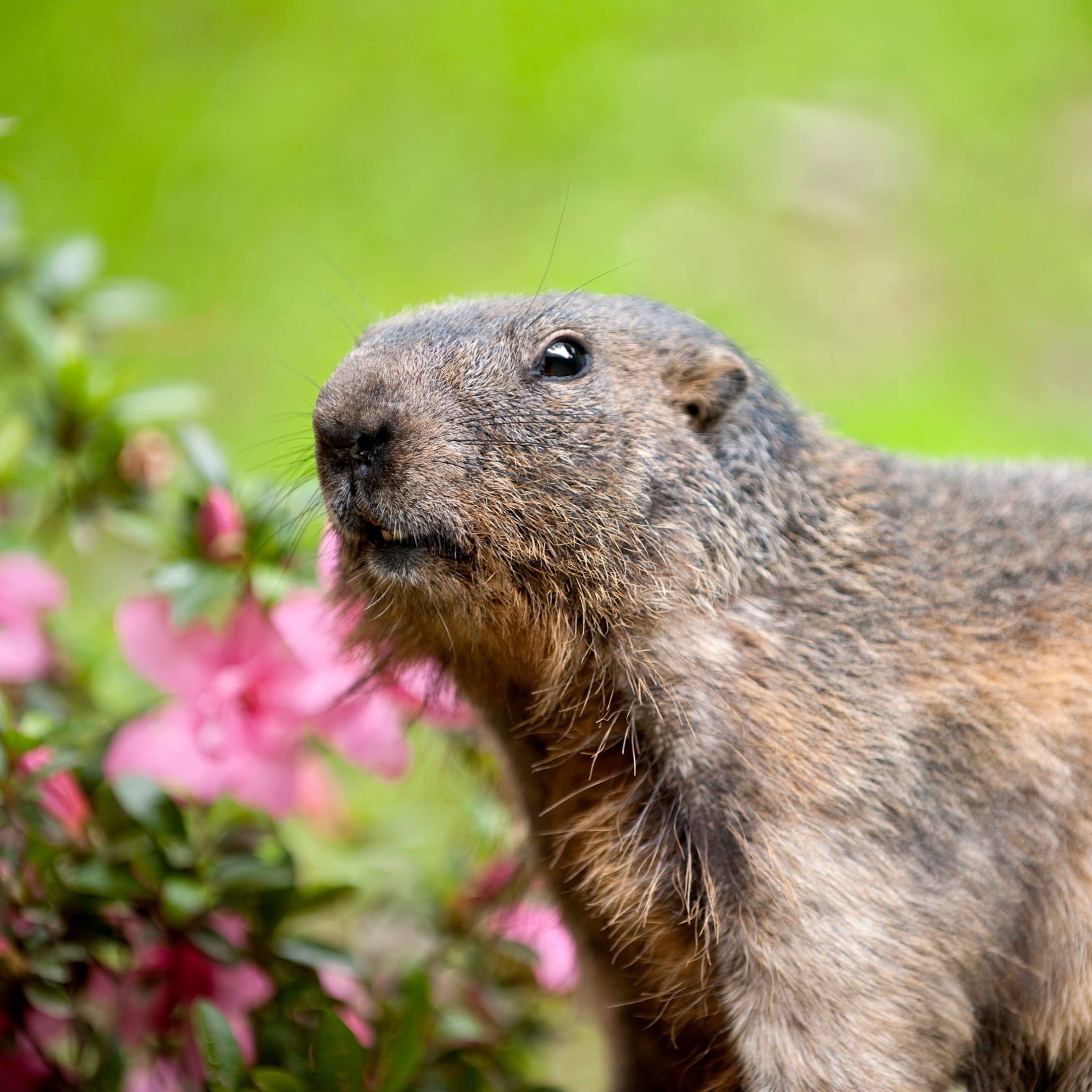
The unusual campaign centred on Fuku, an 11-year-old wombat originally from Tasmania who had been living at Satsukiyama Zoo in Osaka since 2007. After losing his intended breeding partner, Fuku had spent several years living without another wombat companion.
Zoo officials hoped to change that, but bringing another wombat from Australia would be expensive. The estimated cost of transporting a suitable female to Japan was around A$50,000, creating a significant fundraising challenge for a zoo that does not charge visitors an admission fee.
Fuku's Life in Osaka
Fuku arrived at Satsukiyama Zoo in 2007 after being brought from Tasmania. He did not make the journey alone. His intended breeding partner, a wombat named Ayaha, travelled with him to Japan.
The pair were expected to provide an opportunity for the zoo to breed wombats, but the plan changed when Ayaha died in 2010 following a long illness.
That left Fuku on his own. By the time the campaign began in 2016, he had been without another wombat companion for several years.
Satsukiyama Zoo's deputy curator, Kozo Sejima, believed it was time to look for a new companion for him. Sejima said Fuku had been alone since Ayaha's death and that the zoo believed he would benefit from having a partner.
The zoo also described Fuku as an active animal. He spent time digging holes and taking daytime naps, characteristics that became part of the light-hearted way the campaign presented the search for a new female wombat.
Finding a Female Wombat Was Expensive
The Japanese local government had agreed to approach Australian zoos about finding a potential mate for Fuku. The problem was not simply finding another wombat, however. Transporting an animal from Australia to Japan would require a substantial amount of money.
The estimated cost was around A$50,000. For Satsukiyama Zoo, raising that amount represented a particular challenge because the facility did not charge an admission fee.
The absence of an entrance charge means the zoo could not simply use additional ticket revenue to finance the project. It needed another way of generating the money required to bring a female wombat to Osaka.
That was where The Keeper Girls became involved.
The Keeper Girls Join the Campaign
The Keeper Girls were an all-female Japanese idol group associated with Satsukiyama Zoo and the city of Ikeda in Osaka. Rather than simply promoting the zoo, the group decided to make Fuku's search for a companion one of its main projects.
The group partnered with the zoo with the specific aim of helping raise the estimated A$50,000 needed to transport a female wombat from Australia.
Their fundraising plan combined the traditional activities of an idol group with the zoo's cause. The Keeper Girls wrote a song about Fuku and planned to perform it while also selling their CD and merchandise.
The idea gave the group a subject that was closely connected to the zoo and its local community. It also provided fans with a way to contribute to the campaign by buying music and merchandise rather than simply making a conventional donation.
An Idol Group With a Local Connection
One of the group's members, Marina Hamada, had grown up in the area and had known Satsukiyama Zoo since she was young.
Hamada explained that learning about the zoo's situation motivated her to become an idol and take part in something that could benefit both the facility and the wider community.
That local connection was an important part of The Keeper Girls' involvement. The group was not simply choosing an unusual charity campaign from outside the area. Its members had a personal connection with the zoo and saw supporting it as part of their role in the local community.
For Hamada and the other members, the project also gave their activities as performers a specific purpose. Their music could be used to draw attention to the zoo and help raise money for a practical goal.
A $50,000 Mission
The Keeper Girls regarded reaching the A$50,000 target as their mission for 2016. At the time of the campaign, however, the zoo had raised only about one-tenth of the required amount.
That meant the group still had a considerable amount of fundraising to do. Selling CDs and merchandise and performing the wombat song would therefore have to generate substantially more support if the campaign was to reach its target.
The fundraising effort also depended on maintaining public interest. A campaign centred on a single animal could attract attention initially, but the group needed to keep Fuku's story in front of potential supporters long enough to raise the full amount.
The unusual nature of the story helped. A Japanese idol group campaigning on behalf of a Tasmanian wombat was certainly different from a conventional fundraising appeal, giving the project a distinctive identity that could be shared with audiences in Japan and overseas.
Why Australia Was Important
Fuku's origins in Tasmania were central to the search for a new companion. Wombats are native to Australia, and the Japanese zoo needed to work with Australian facilities to find a suitable female animal.
The local government in Japan planned to approach Australian zoos once the financial requirements could be met. The fundraising campaign was therefore not simply about supporting the zoo's everyday expenses. It was intended to make an international animal transfer possible.
Transporting a wombat between Australia and Japan involves considerably more expense and planning than moving an animal between nearby facilities. The A$50,000 estimate reflected the scale of the undertaking as understood by the zoo at the time.
The campaign consequently had two stages: first, raise the money required for the move, and then work with Australian zoos and relevant authorities to find a suitable female wombat.
The Keeper Girls Planned to Continue Helping the Zoo
The group's involvement was not intended to end once Fuku had a new companion. Zoo deputy curator Kozo Sejima said the Keeper Girls planned to continue working with Satsukiyama Zoo after the fundraising goal was achieved.
Their future role could include supporting other animals at the zoo and helping promote tourism in the area.
That broader role reflected the way the group had become connected with Satsukiyama Zoo. The performers could use their public profile to draw attention to the facility, while the zoo provided a distinctive subject for their activities and performances.
The relationship also demonstrated how a local idol group could take on responsibilities that went beyond music. In this case, entertainment became a vehicle for promoting an animal welfare project and a local tourist attraction.
A Different Kind of Idol Project
Japanese idol groups often build their identities around particular communities, organisations or causes, but The Keeper Girls' association with a zoo gave this group an especially unusual role.
Instead of simply performing songs and appearing at entertainment events, the members were being asked to help raise money for an animal transfer and promote a municipal zoo.
The Fuku campaign also gave the group a clear story to communicate to audiences. There was a specific animal, a specific target and a specific objective: raise enough money to help bring another wombat to Osaka.
The song written for Fuku provided another way of connecting those elements. Fans could hear the story through music, attend performances and buy the group's CD or merchandise while supporting the fundraising effort.
Fuku's Search for a Companion
For the zoo, the objective was straightforward. Fuku had been alone since the death of Ayaha, and officials wanted to find a female wombat that could become his new companion and potentially provide a breeding opportunity.
At the time of the campaign, however, the project remained dependent on raising enough money to cover the transportation costs. The zoo had raised only around A$5,000, leaving approximately A$45,000 still to be found.
The Keeper Girls therefore had a significant fundraising challenge ahead of them. Their 2016 mission was not a symbolic campaign with a small target. It required the group to generate substantial financial support through their performances and sales.
The story nevertheless attracted attention precisely because of its unusual combination of Japanese pop culture, local tourism and Australian wildlife.
The Campaign Eventually Had a Result
The fundraising campaign did eventually lead to the arrival of additional wombats at Satsukiyama Zoo. Historical records of the Keeper Girls project state that the group's stated mission of bringing a young female wombat from Australia was achieved in 2017.
The group's subsequent activities continued to include wombat-related music. Its first CD, “Song of Wombat,” was released in December 2015, before the ABC report about the fundraising campaign, while a later CD titled “SATSUKIYAMA-no-WOMBAT” was released in 2019.
The Keeper Girls also became involved more broadly in promoting Ikeda and Satsukiyama Zoo. In February 2016, shortly after the campaign received international attention, Ikeda city designated the group as tourism ambassadors.
The later history shows that the wombat project became more than a short-lived publicity stunt. It formed part of the group's longer relationship with the zoo and the local community.
A Wombat Became the Focus of a Japanese Pop Campaign
The story of Fuku and The Keeper Girls brought together two subjects that might rarely be associated with one another: Japanese idol music and Australian wildlife.
Fuku had arrived in Osaka from Tasmania with a breeding partner, but after Ayaha died in 2010 he remained alone. Satsukiyama Zoo wanted to find him another companion but faced an estimated A$50,000 transportation bill.
The Keeper Girls responded by making the search for Fuku a fundraising mission. They created a song about the wombat, performed it and planned to sell music and merchandise to help finance the international transfer.
The campaign also demonstrated the potential role of local performers in supporting community projects. The group had grown up around the zoo, and its members saw the campaign as a way to contribute to the place that had been part of their lives.
For Fuku, the objective was ultimately much simpler: finding another wombat to share his home at Satsukiyama Zoo. For The Keeper Girls, achieving that goal became an unusual mission that combined music, fundraising, tourism and animal welfare.
What began as a search for a companion for one wombat consequently became a distinctive example of how a Japanese idol group could use its public profile to support a local zoo and an international animal project.